Overview
Where Your Family Connects—With Nature, Culture, and Each Other
This is more than a safari—it’s a shared story your family will carry forever. From the golden plains of the Serengeti to the quiet, ancient rhythms of Lake Eyasi, every moment draws you closer—not just to Tanzania, but to each other.
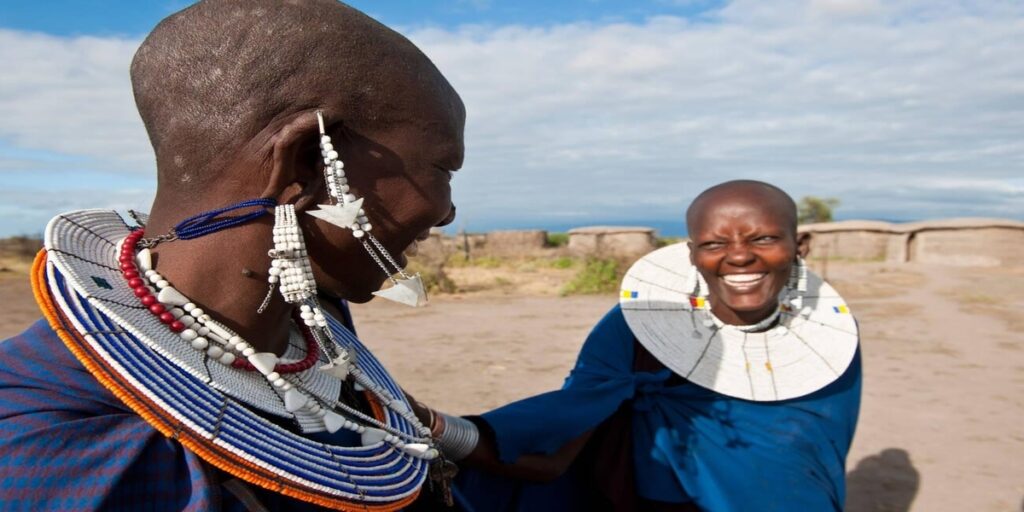
Watch your children’s eyes light up as elephants move silently through baobab forests. Sit together under a vast African sky as Maasai elders share stories passed down through generations. Walk alongside the Hadzabe bushmen and glimpse a way of life unchanged for centuries.
Here, time slows. Screens fade. And in their place—connection, wonder, and unforgettable memories take root.
Trip Highlights
- Feel the thrill of spotting lions at sunrise in the Serengeti
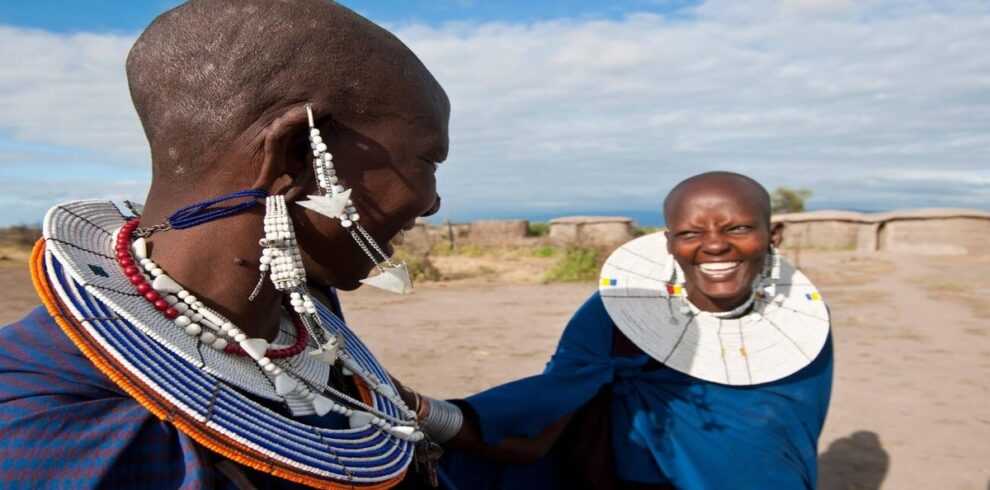
- Hear the heartbeat of Maasai culture during an authentic village visit
- Walk with the Hadzabe tribe and experience life off the grid
- Witness elephants roaming beneath ancient baobab trees in Tarangire
Itinerary
Your journey begins in Arusha, where the air feels fresh and full of promise. After a warm welcome, settle into your lodge surrounded by lush greenery. The distant silhouette of Mount Meru sets the tone—calm, grounding, and quietly powerful. This is your moment to unwind, reconnect, and prepare for the adventure ahead.
Key Activities:
- Airport pickup and hotel transfer
- Safari briefing
- Relaxation at the lodge
- Optional short town tour
- Family dinner experience
Distance Travelled: Minimal (Airport transfer)
Drive into Tarangire, where ancient baobab trees stand like silent guardians. The landscape opens wide, revealing herds of elephants moving gracefully across golden plains. Children watch in awe as giraffes stretch across the horizon and zebras gather near waterholes.
Key Activities:
- Scenic drive to Tarangire
- Full-day game drive
- Picnic lunch in the park
- Wildlife photography moments
- Sunset viewing
Distance Travelled: ~120 km (2–3 hours)
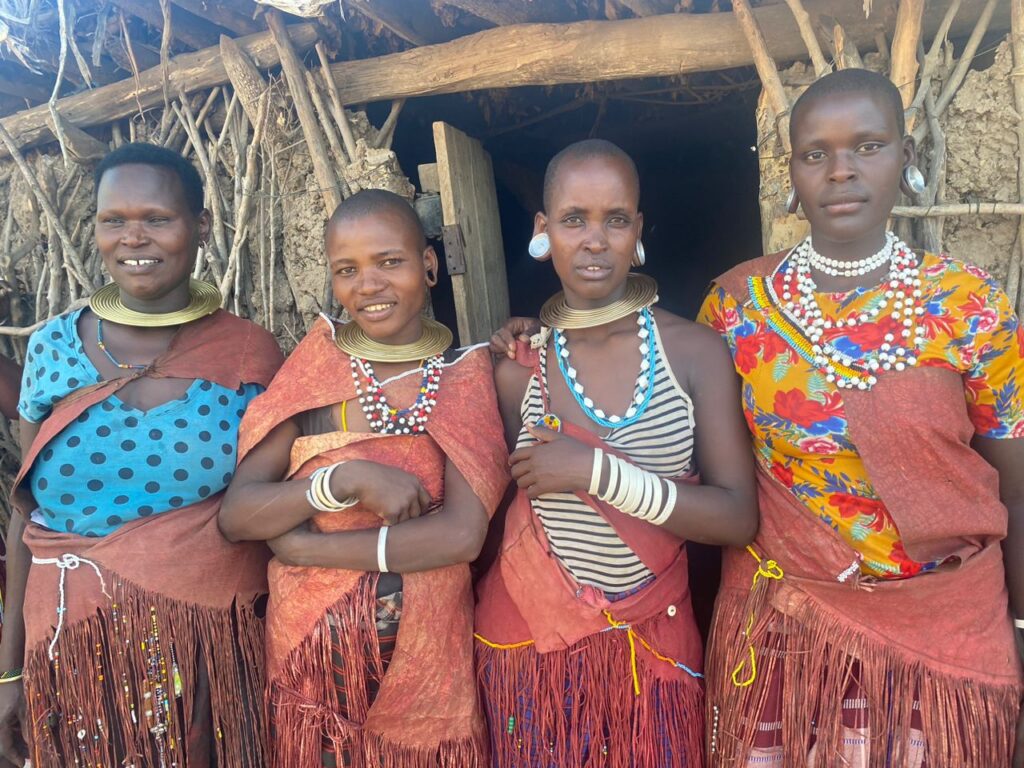
The road leads you to Lake Eyasi, a place where time seems to stand still. Here, your family steps into a different world—one shaped by survival, tradition, and deep connection to nature. Meet the Hadzabe bushmen and learn their hunting techniques, then visit the Datoga tribe, known for their craftsmanship and resilience.
Key Activities:
- Drive to Lake Eyasi
- Visit Hadzabe tribe
- Cultural interaction with Datoga community
- Learn traditional hunting skills
- Campfire storytelling
Distance Travelled: ~150 km (3–4 hours)
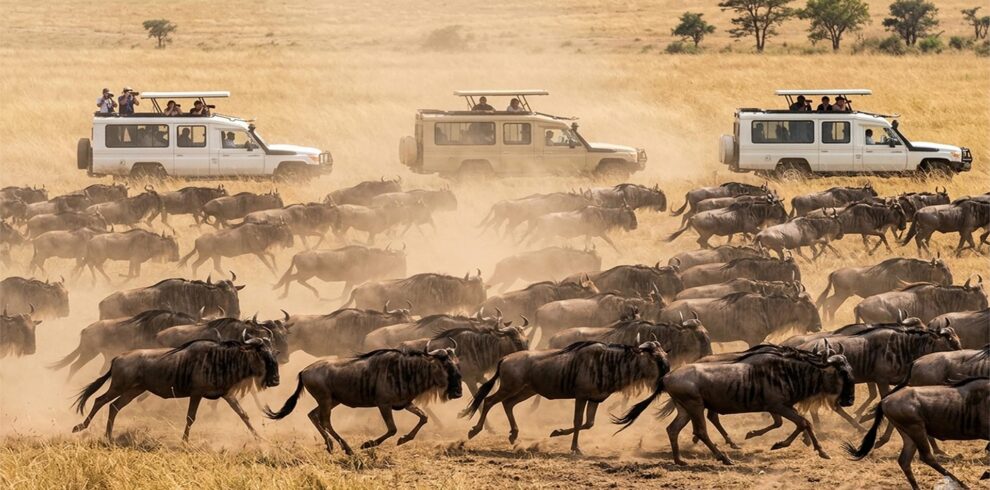
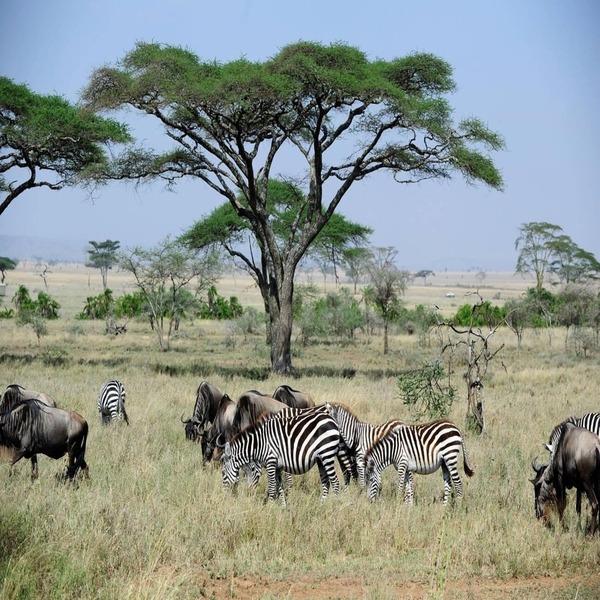
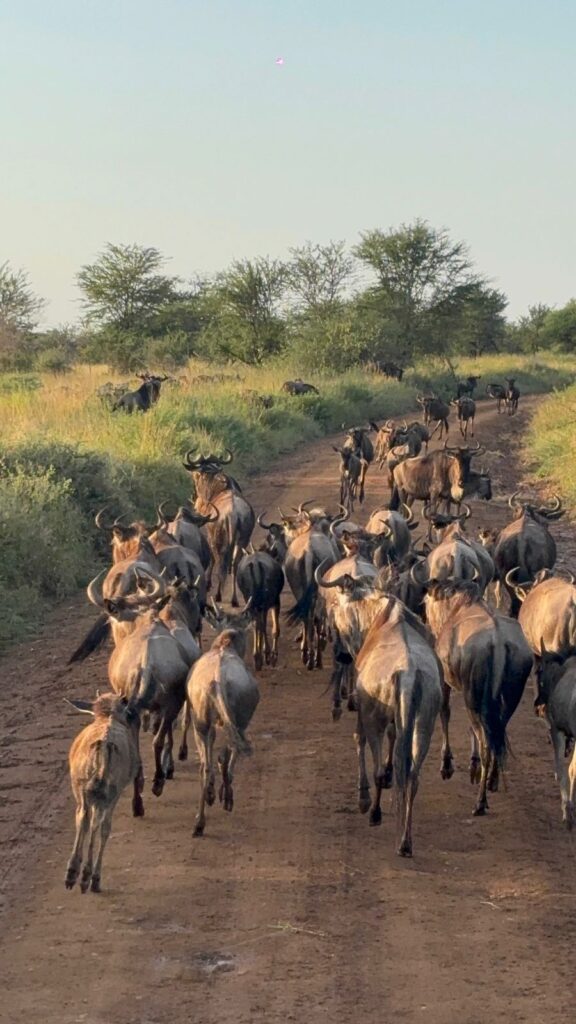
As you journey toward the Serengeti, the landscape transforms into endless plains. The sheer vastness is humbling. Along the way, wildlife begins to appear—antelopes, predators, and birds dancing across the horizon. By evening, you’re deep in one of the world’s most iconic ecosystems.
Key Activities:
- Scenic drive via Ngorongoro Highlands
- En-route game viewing
- Arrival in Serengeti
- Sunset game drive
- Campfire dinner under the stars
Distance Travelled: ~250 km (5–6 hours)
Wake before dawn and head into the wild as the Serengeti comes alive. The golden light reveals predators on the hunt and herds grazing peacefully. This is raw, untamed Africa—powerful, beautiful, and unforgettable. Every moment feels like a scene from a nature documentary.
Key Activities:
- Early morning game drive
- Big Five tracking
- Picnic lunch in the bush
- Optional hot air balloon safari
- Evening relaxation
Distance Travelled: Game drives (~80–120 km)
Descend into the Ngorongoro Crater, a natural wonder teeming with life. The enclosed ecosystem offers one of the best chances to see the Big Five in a single day. The scenery is breathtaking—lush, dramatic, and alive with movement.
Key Activities:
- Early departure from Serengeti
- Crater descent game drive
- Wildlife viewing
- Picnic by the hippo pool
- Drive to lodge on crater rim
Distance Travelled: ~145 km (4–5 hours)
As your journey winds down, take in the final views of Tanzania’s highlands. The landscapes feel familiar now—like a place you’ve come to belong. Back in Arusha, the adventure may end, but the memories stay with you—woven into your family’s story forever.
Key Activities:
- Scenic drive back to Arusha
- Optional souvenir shopping
- Lunch in town
- Airport drop-off
- Departure
Distance Travelled: ~180 km (4–5 hours)
FAQs
Annapurna Base Camp is a Grade B or a moderately difficult trekking route. So any fit person can do this trek, even if you do not have any previous experience. You should be aware of what to expect and mentally prepare for it. Then, as long as you will too, you can.
On average, you walk about 4 to 6 hours per day. One or two days can be as less as 3hrs and one or two days can be as long as 7hrs.
The highest altitude reached is 4190m. This is the elevation of Annapurna Base Camp. ABC is the highest we will climb in this trek.
Yes, you can charge batteries en route. Charger should be brought. There are hot shower facilities as well. You may have to pay a certain amount for both ($1-$2). Negotiate. Also, a hot water facility could be free at a lower elevation.
No. There are no ATMs on this trek route. You will have to draw enough cash in Pokhara or Kathmandu. There are a number of ATMs in these cities. Everything is paid in Nepali rupees. So money should be exchanged before the start of the trek.
Yes. The Internet can be accessed in most places. Sometimes, there might be some technical problems. The Internet in Nepal is not as fast as you are used to and at times you can just lose connection.
Not really. It depends on you. If you want, ABC trekking can be done independently. You could hire a guide and a porter by yourself instead of going through an agency or not hire a guide at all. Although, not having a guide can be a little problematic during the offseason.
It really depends on you. Is it your first time in Nepal? How confident are you of being able to find your way around? How pressed on time are you? If you go through an agency, it will be costlier but everything will be planned. You will only have to come, trek and return.
For the Annapurna region, pay for guides range from $20 to $30 per day and porters take $15 to $25 per day.
There’s a high chance, especially in Serengeti and Ngorongoro Crater.
Most travelers require a visa, which can often be obtained on arrival or online.