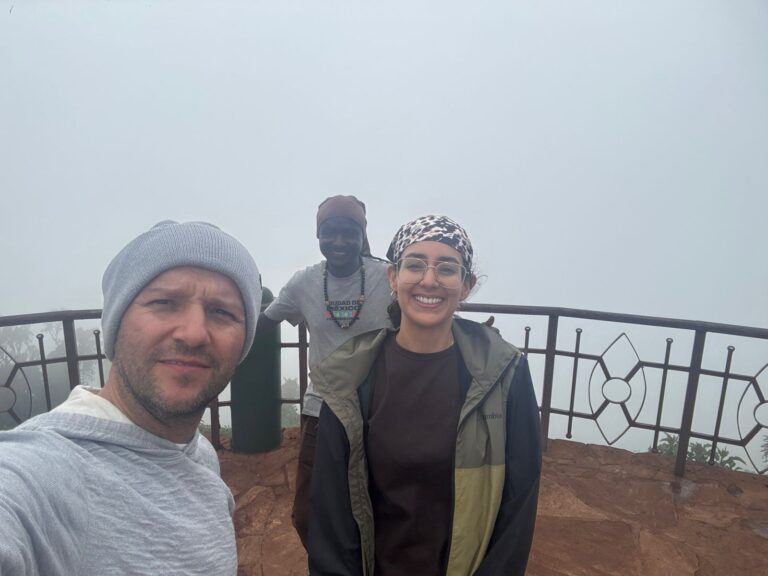

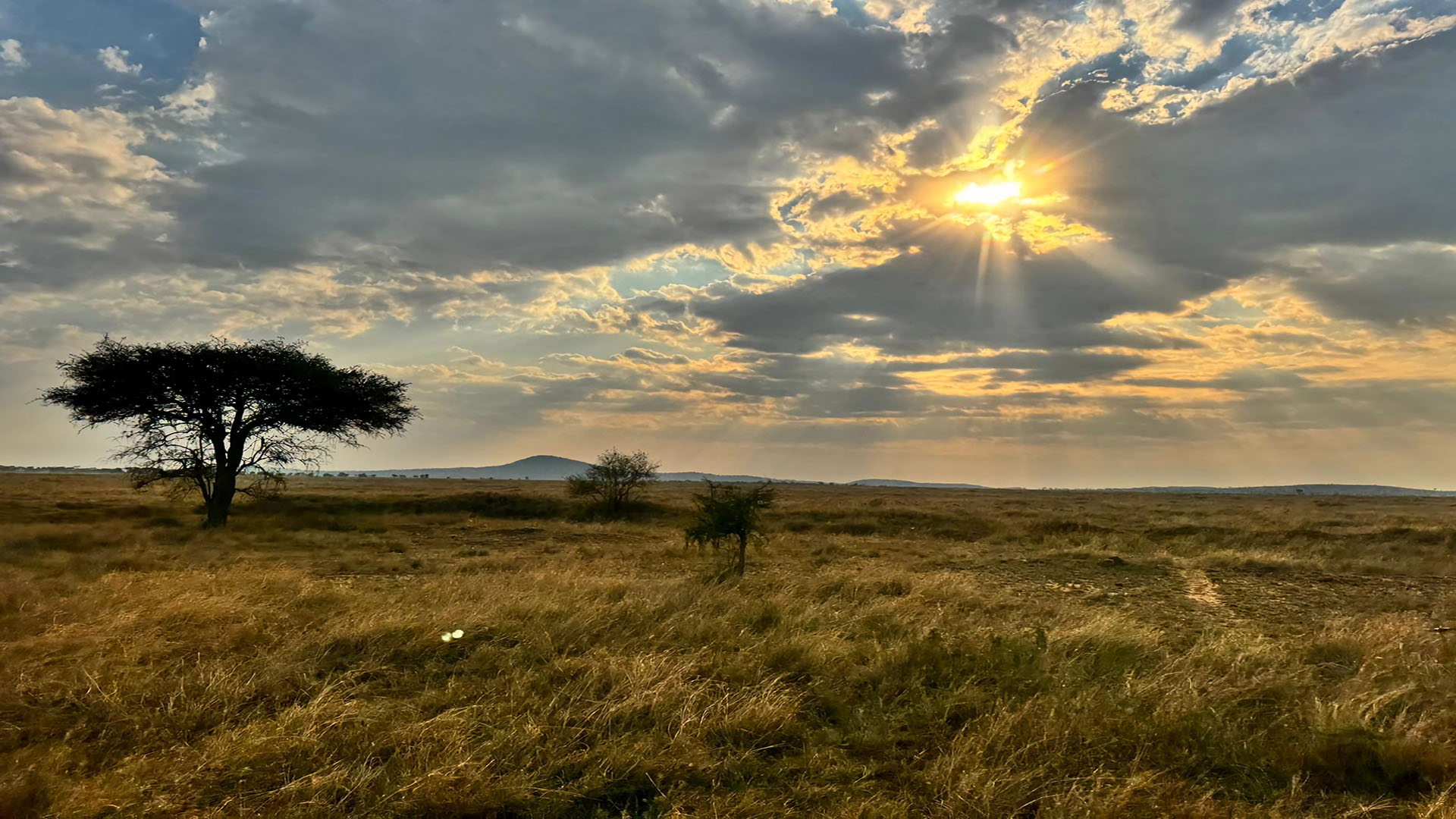
Travel possesses the profound power to build bridges, sustain local economies, and safeguard the natural world. Ethical travel is the practice of exploring with intention—ensuring that your presence in Tanzania acts as a catalyst for positive change. It is about moving through the landscape not just as an observer, but as a responsible guest who values the preservation of heritage and the protection of the wild.
By following these guidelines, you help ensure that Tanzania’s diverse cultures and breathtaking ecosystems remain vibrant and resilient for generations to come. Ethical travel isn't a set of restrictions; it is a commitment to a deeper, more meaningful connection with the world.

Tanzania’s strength lies in its people. Whether you are engaging with Maasai, Hadzabe, or Swahili communities, cultural respect is the foundation of every interaction:
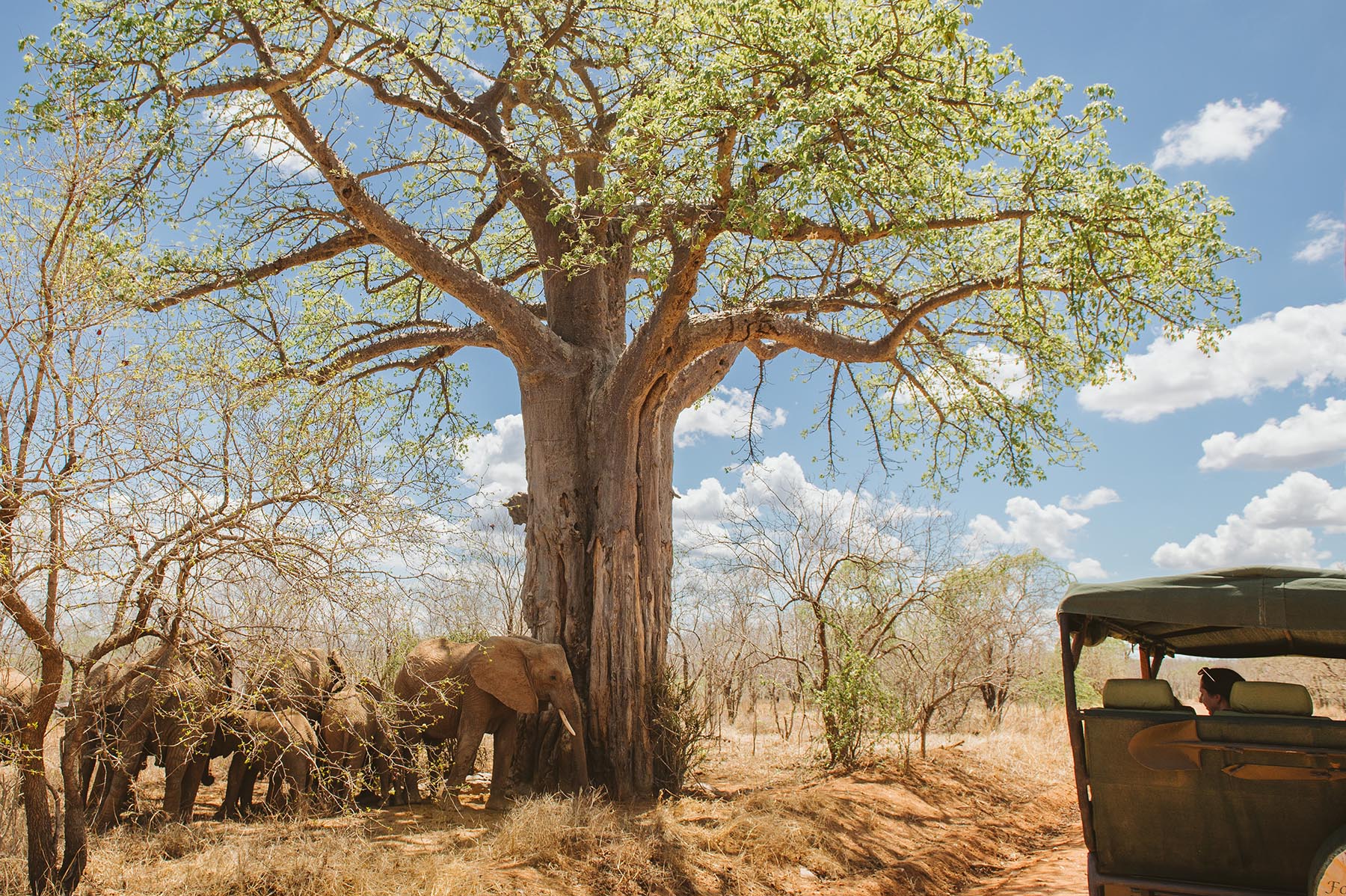
The wilderness of Tanzania is a global treasure that requires vigilant protection. Responsible safari behavior is essential to animal welfare and ecological health:
Sustainable travel is the result of many small, conscious decisions. From conserving water at your lodge to learning basic Swahili greetings like “Asante” (Thank you), these actions signal your respect for the environment and its people. Embracing a “Pole pole” (slowly) mindset allows you to adapt to the local rhythm, leading to more authentic and less intrusive experiences.
Who you travel with matters. By choosing ethical tour operators who prioritize local employment, adhere to wildlife regulations, and work directly with communities, you ensure that your travel dollars are a force for good. We believe that tourism, when managed with integrity, becomes a powerful tool for conservation and cultural pride.
The most enduring journeys are those that leave the destination better than you found it. When you approach Tanzania with curiosity, humility, and respect, you don’t just take home photos—you take home a profound understanding of our shared humanity and the delicate beauty of our planet. Ethical travel is the art of leaving a legacy of kindness in every place you visit.
Discover the beauty, culture, and wildlife of Africa with Happy Time 2 Africa — where every journey is thoughtfully crafted with local knowledge, passion, and unforgettable experiences.

Travel with experienced and passionate local guides who bring every destination to life through deep knowledge of wildlife, culture, and Tanzania’s hidden treasures.

As a locally operated company, Happy Time 2 Africa offers authentic experiences, meaningful cultural connections, and insider access to destinations beyond the ordinary.

Explore Africa in comfort with our well-maintained safari vehicles designed for safety, flexibility, and the best wildlife viewing experiences throughout your journey.

Benefit from our extensive experience in designing memorable African adventures with careful planning, professional service, and attention to every detail.

Every traveler is unique. We customize each safari and cultural experience to match your travel style, interests, pace, and personal expectations.

From iconic safaris and mountain adventures to cultural encounters and tropical beaches, we offer unforgettable journeys across Tanzania and East Africa.