There are few places on Earth where nature still moves as it has for thousands of years—untamed, vast, and fundamentally awe-inspiring. Serengeti National Park is one of those rare sanctuaries.
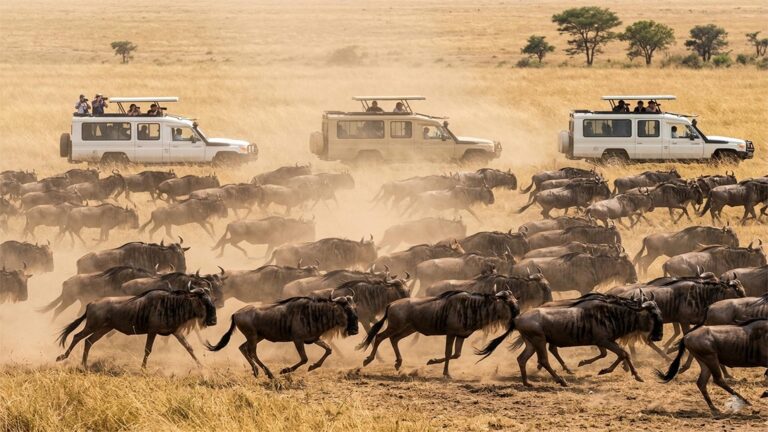
Stretching across over 14,000 square kilometers in northern Tanzania, the Serengeti is a land of infinite horizons. Its name is derived from the Maasai word “Siringet,” meaning “endless plains”—a perfect description for a landscape that seems to ripple into eternity. Here, the rhythm of existence is dictated by the pulse of the seasons. Rainfall triggers movement, and movement defines survival. Every year, millions of wildebeest, zebras, and gazelles traverse these plains in a legendary cycle of life known as the Great Migration, one of the most powerful natural spectacles on the planet.
But beyond the migration, the Serengeti offers something more profound: a raw, unfiltered connection to the wild that humbles everyone who walks its soil.
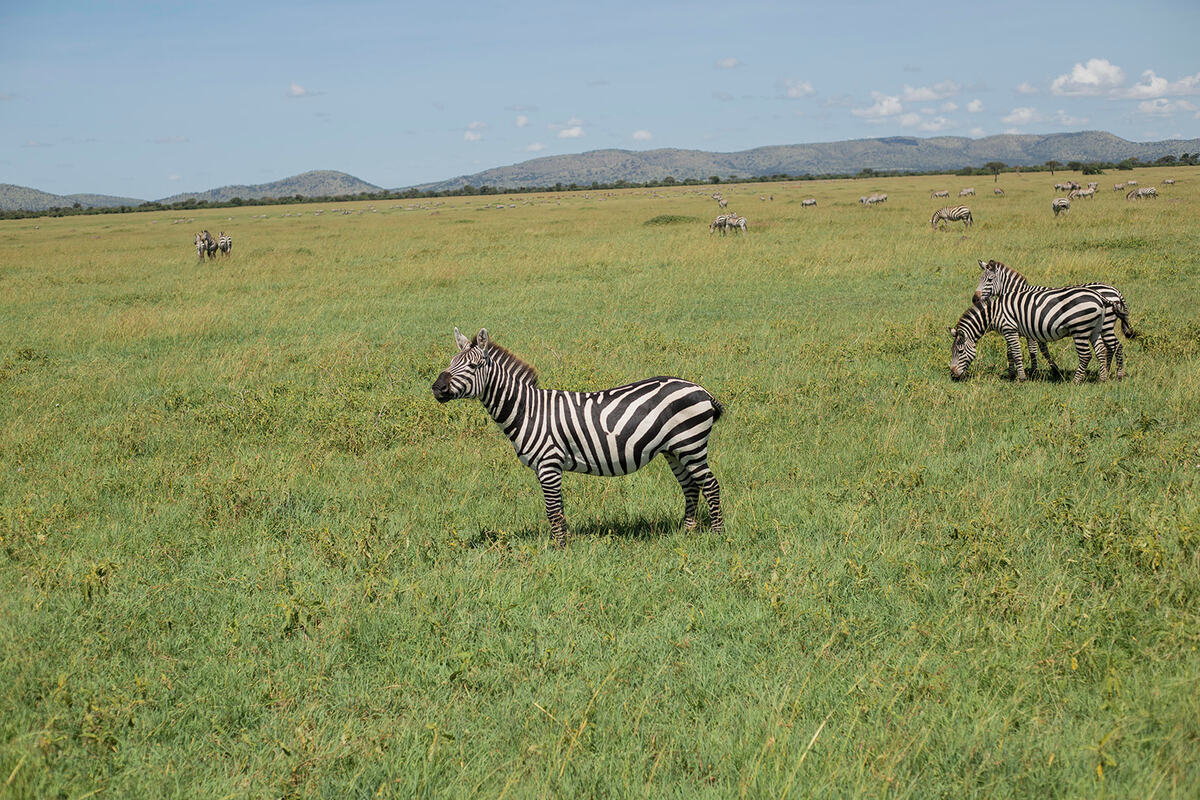
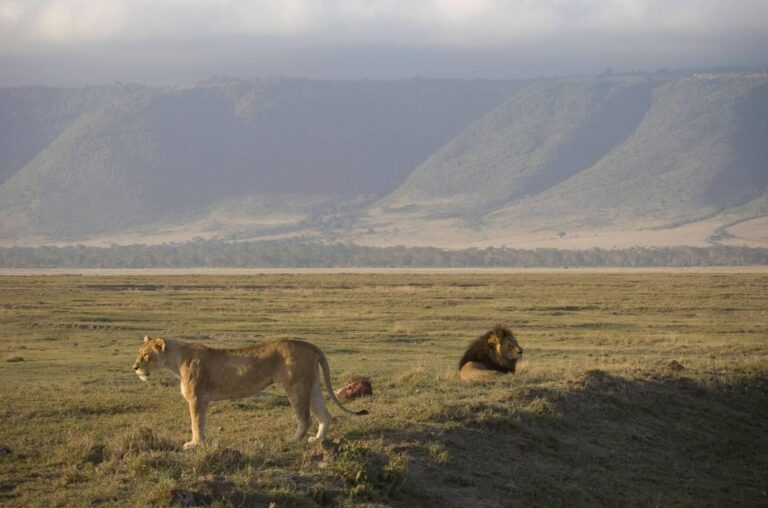
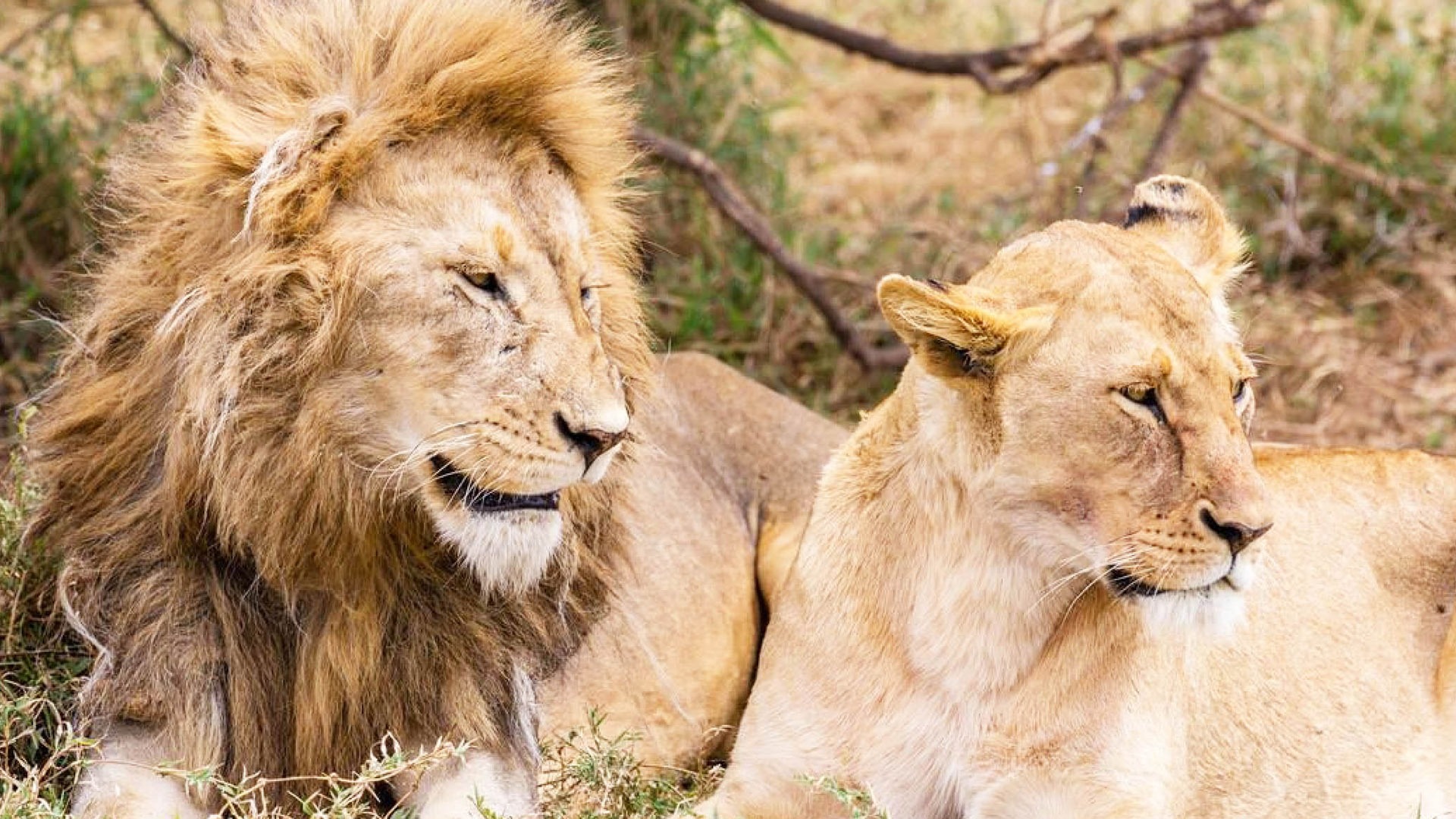
The Serengeti is designed for those who seek to witness nature on a grand, cinematic scale. Whether you are tracking the Great Migration, watching the golden hour light up a pride of lions on a granite kopje, or drifting silently over the savannah in a hot air balloon, this park offers a safari experience that is both majestic and deeply moving.
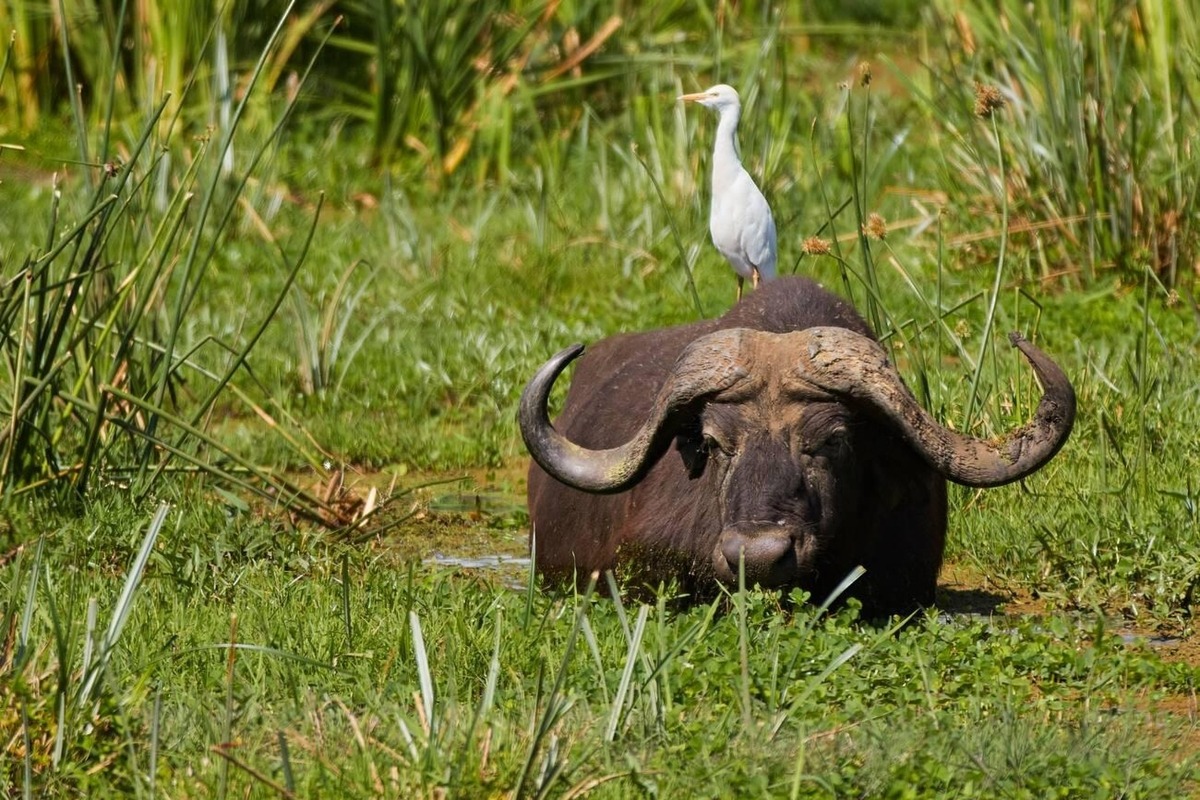
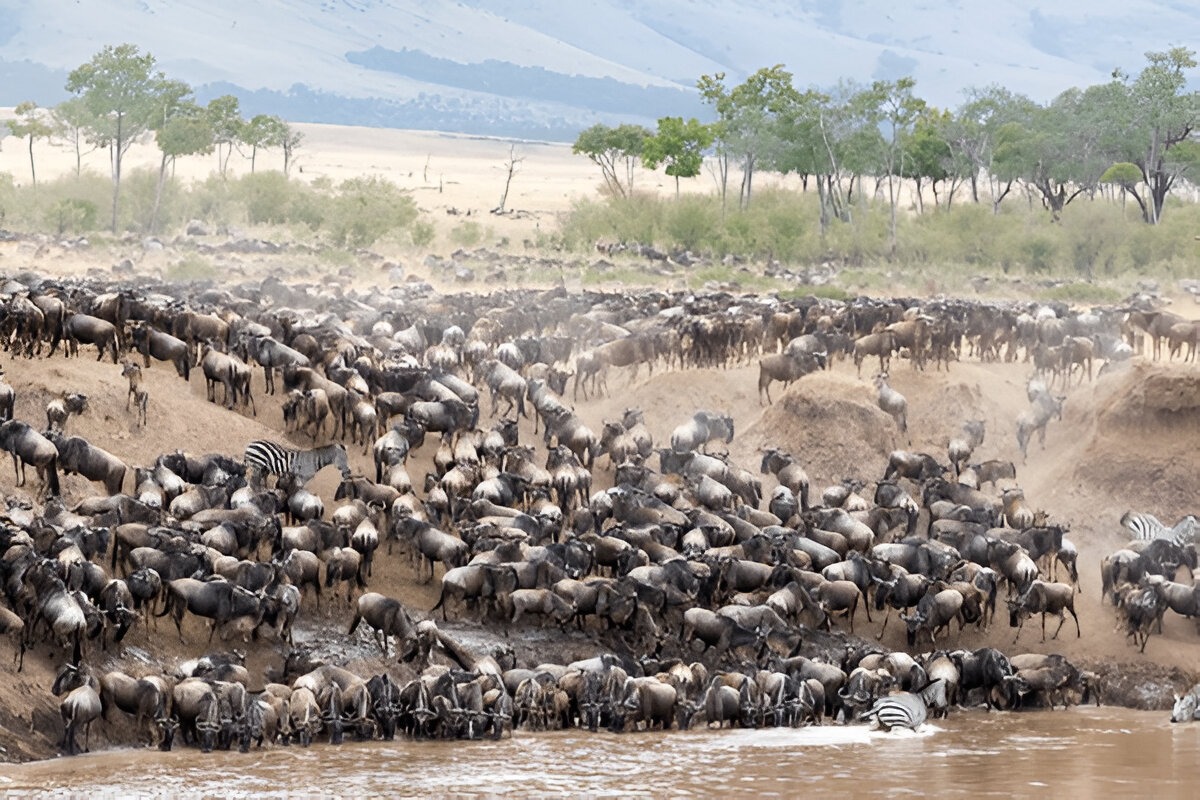
The Migration is not just a movement—it is a story of endurance. We help you navigate this cycle based on the season:
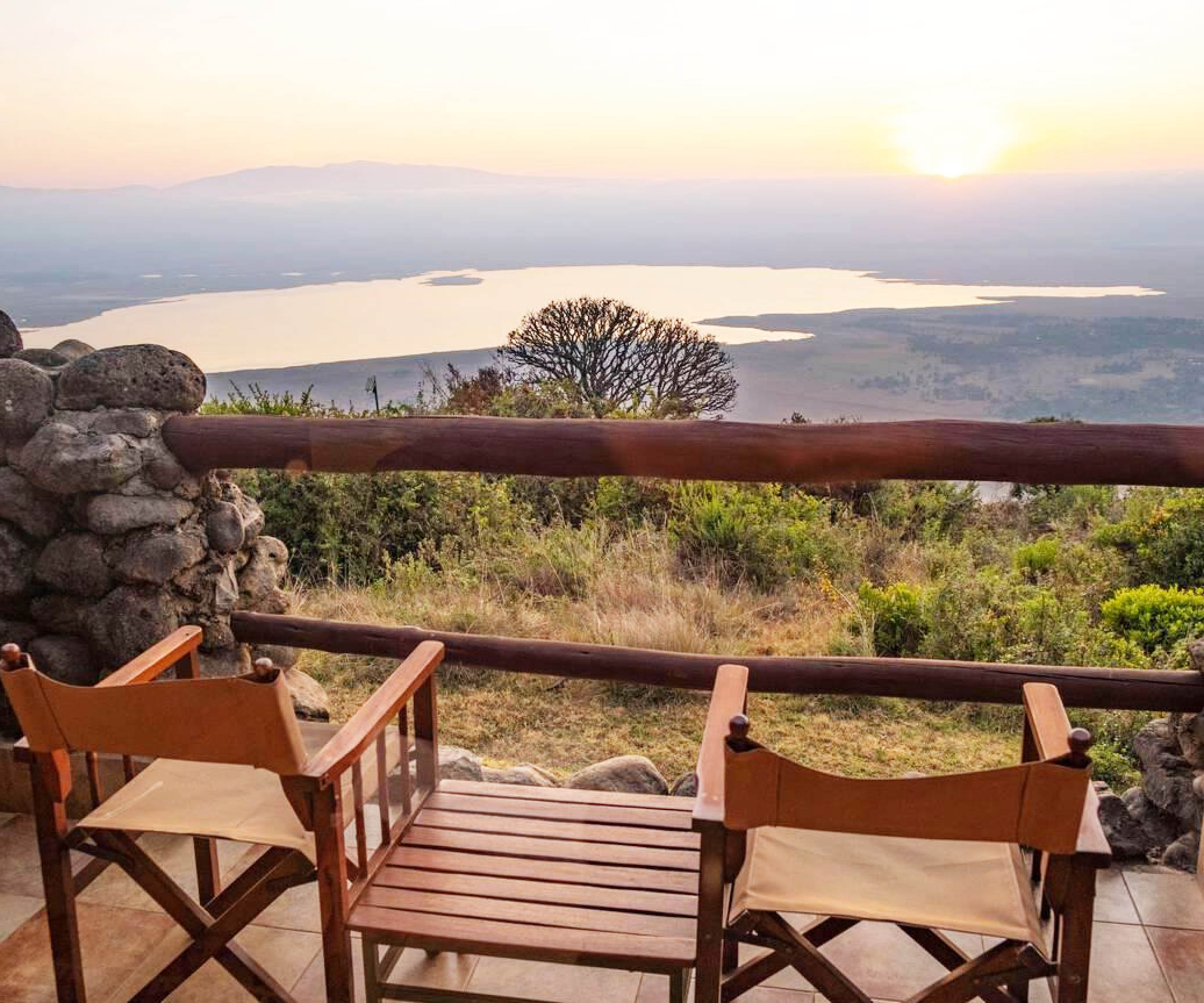
The Serengeti is a year-round destination, each season offering a distinct chapter of the wilderness narrative:
Standing on the edge of the plains as the sun dips below the horizon, you hear the distant rumble of thousands of hooves and the low, collective call of the wild. You realize that you aren't just observing a park—you are witnessing the very heartbeat of Africa. It is a feeling of scale, freedom, and deep connection that stays with you long after you have left the endless plains behind.
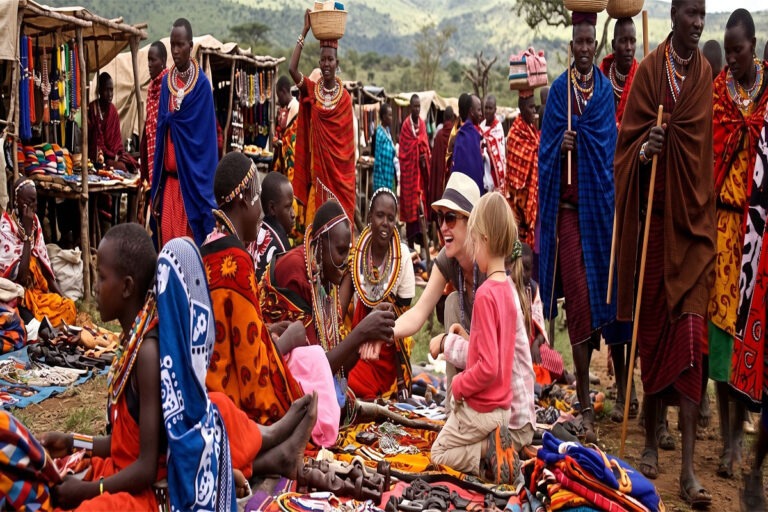
Discover the beauty, culture, and wildlife of Africa with Happy Time 2 Africa — where every journey is thoughtfully crafted with local knowledge, passion, and unforgettable experiences.

Travel with experienced and passionate local guides who bring every destination to life through deep knowledge of wildlife, culture, and Tanzania’s hidden treasures.

As a locally operated company, Happy Time 2 Africa offers authentic experiences, meaningful cultural connections, and insider access to destinations beyond the ordinary.

Explore Africa in comfort with our well-maintained safari vehicles designed for safety, flexibility, and the best wildlife viewing experiences throughout your journey.

Benefit from our extensive experience in designing memorable African adventures with careful planning, professional service, and attention to every detail.

Every traveler is unique. We customize each safari and cultural experience to match your travel style, interests, pace, and personal expectations.

From iconic safaris and mountain adventures to cultural encounters and tropical beaches, we offer unforgettable journeys across Tanzania and East Africa.