Go Beyond Wildlife—Step Into the Soul of Tanzania
Overview
This is not just a journey across landscapes—it’s a journey into the heart of human connection.
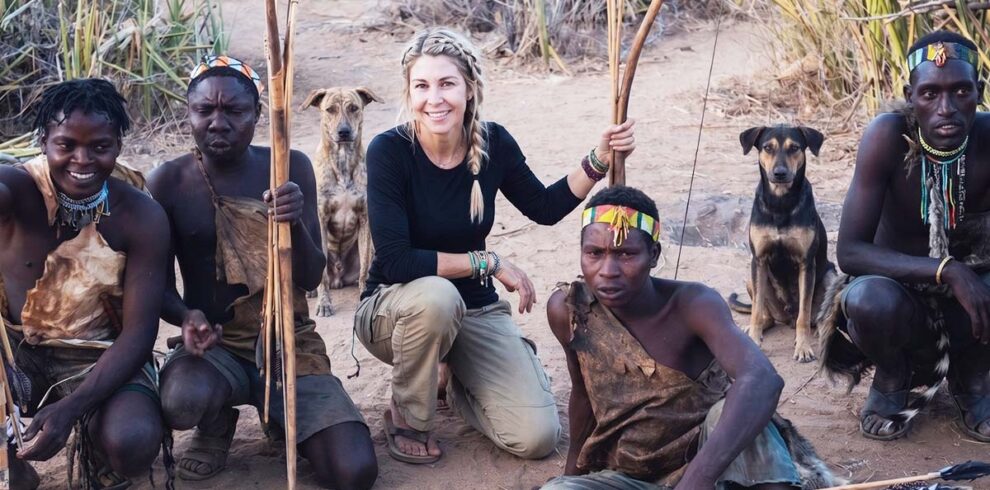
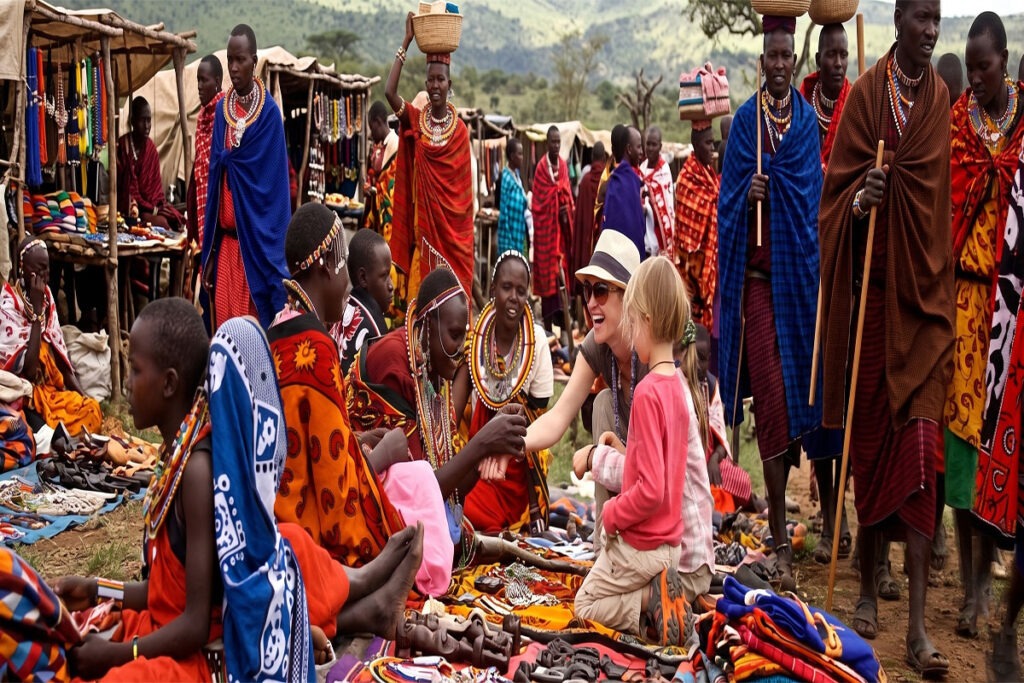
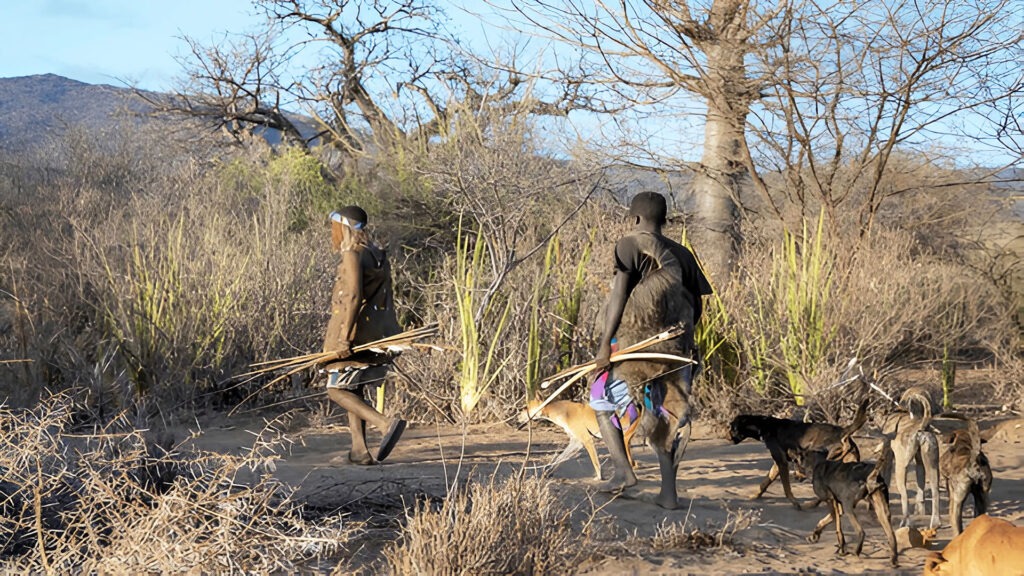
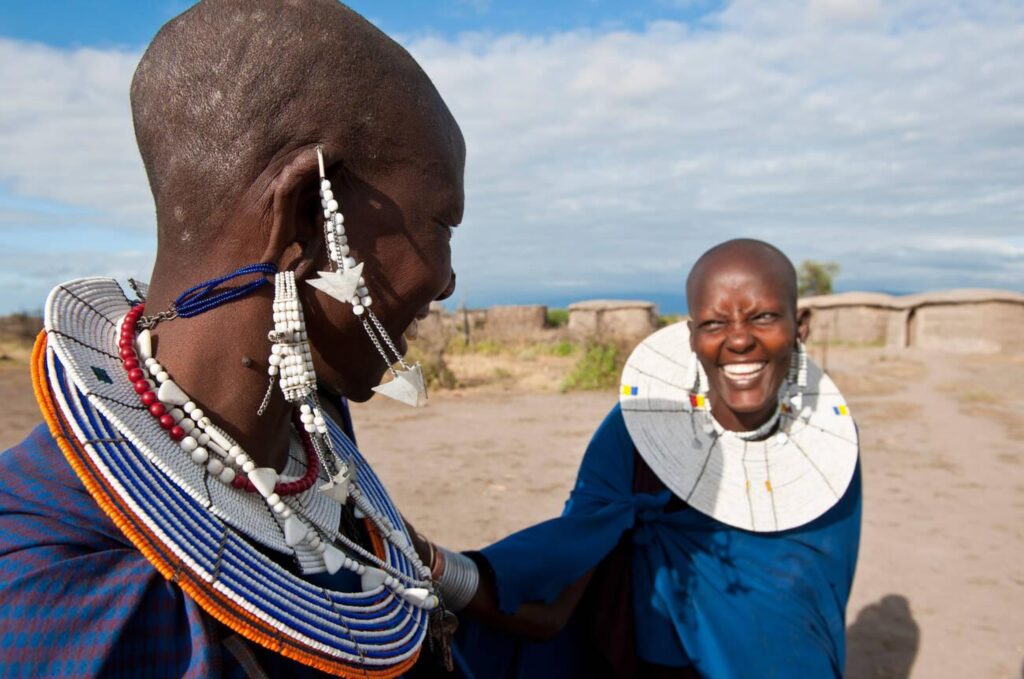
On this deep cultural safari, you don’t just observe Tanzania—you feel it. You sit with Maasai elders as stories unfold beneath open skies. You walk beside the Hadzabe, learning survival skills shaped over thousands of years. You hear the rhythmic clang of Datoga blacksmiths crafting tools with fire and tradition.
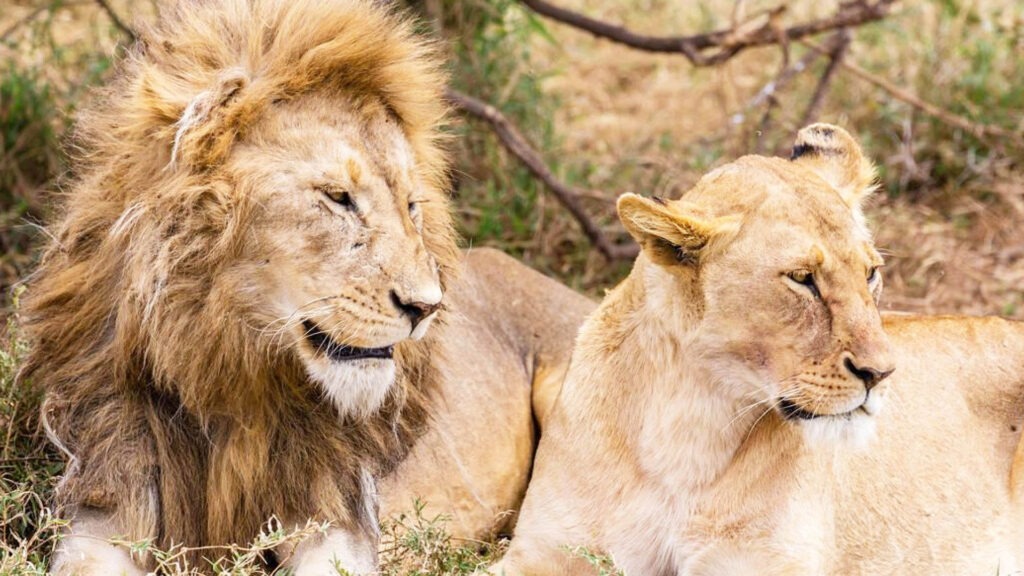
In between, the wild calls—lions roam freely, elephants move like ancient spirits, and endless plains stretch beyond imagination.
Whether you travel solo, as a couple, or with family, this experience transforms how you see the world—grounding you in simplicity, connection, and the beauty of cultures that still live in harmony with nature.
Trip Highlights
- Feel the quiet intensity of walking with the Hadzabe at sunrise
- Hear the deep chants and storytelling of Maasai warriors
- Witness elephants moving through baobab forests in golden light
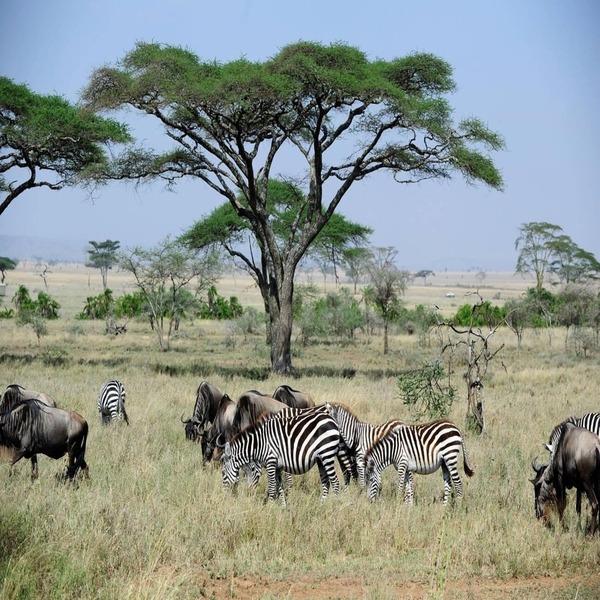
- Experience the raw beauty of the Serengeti’s endless plains
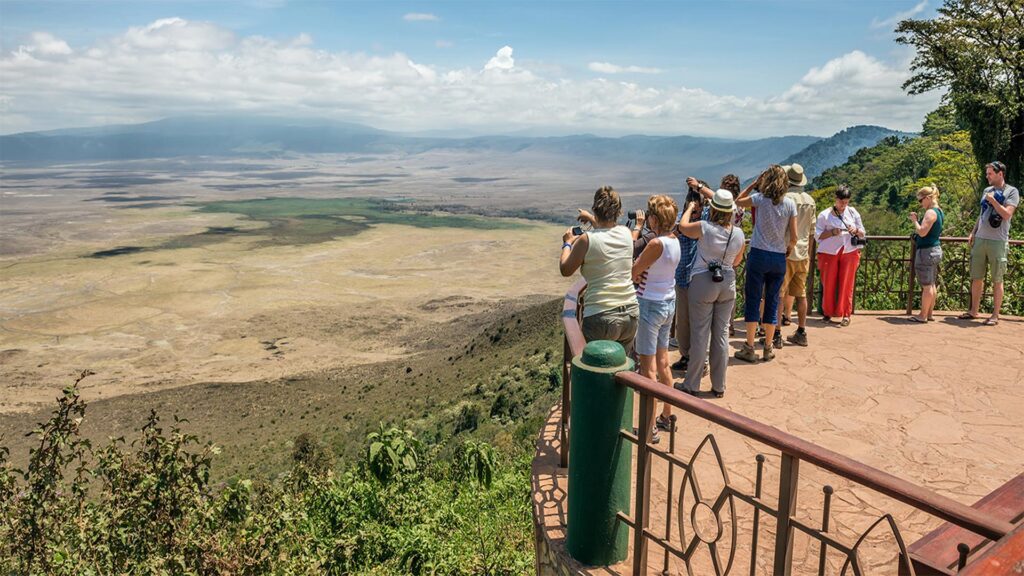
- Stand at the Ngorongoro Crater rim as clouds drift beneath your feet
Itinerary
Arrive in Arusha, where the rhythm of Africa begins softly. Warm smiles welcome you as you settle into your lodge surrounded by nature. The air feels different here—calm, grounding, full of anticipation. As the sun sets, your journey quietly begins.
Key Activities:
- Airport pickup and transfer
- Safari briefing
- Lodge relaxation
- Optional town exploration
- Welcome dinner
Distance Travelled: Minimal (Airport transfer)
Drive into Tarangire National Park, where towering baobabs and vast savannahs unfold. Elephants move in large herds, their presence both powerful and peaceful. The silence is broken only by bird calls and the rustling of wildlife nearby.
Key Activities:
- Drive to Tarangire
- Full-day game drive
- Elephant tracking
- Picnic lunch in the park
- Sunset viewing
Distance Travelled: ~120 km (2–3 hours)
Leave the savannah behind and journey toward Lake Eyasi, a remote and deeply cultural region. The landscape changes, and with it, your experience. Here, life is simple, raw, and authentic.
Key Activities:
- Scenic drive to Lake Eyasi
- Cultural introduction
- Visit local communities
- Sunset by the lake
- Campfire evening
Distance Travelled: ~150 km (3–4 hours)
Wake before sunrise and join the Hadzabe bushmen on a traditional hunt. No roads, no modern tools—just instinct and survival. Later, visit the Datoga tribe and witness their blacksmith skills, where fire and metal come alive in a timeless craft.
Key Activities:
- Early morning hunting experience
- Learn Hadzabe survival skills
- Visit Datoga blacksmiths
- Cultural storytelling
- Photography moments
Distance Travelled: Minimal (local activities)
Travel through the Ngorongoro Highlands into the legendary Serengeti. The land opens endlessly, and wildlife begins to appear across the horizon. The sense of scale is overwhelming—this is Africa at its most iconic.
Key Activities:
- Scenic drive via Ngorongoro
- En-route wildlife viewing
- Arrival in Serengeti
- Evening game drive
- Campfire dinner
Distance Travelled: ~250 km (5–6 hours)
Spend a full day exploring the Serengeti. From sunrise to sunset, every moment reveals something new—predators on the move, herds grazing, and birds soaring across endless skies. This is the raw rhythm of nature, uninterrupted.
Key Activities:
- Morning and afternoon game drives
- Big Five tracking
- Picnic lunch in the bush
- Optional balloon safari
- Sunset relaxation
Distance Travelled: Game drives (~80–120 km)
Leave the Serengeti behind and head toward Ngorongoro. The journey itself is rich with wildlife and shifting scenery. As you climb higher, the air cools and the views become dramatic.
Key Activities:
- Morning game drive
- Scenic transfer to Ngorongoro
- Wildlife spotting en route
- Lodge check-in
- Crater rim views
Distance Travelled: ~145 km (4–5 hours)
Descend into the Ngorongoro Crater, a natural sanctuary filled with wildlife. Lions, rhinos, elephants, and flamingos share this unique ecosystem. It feels like stepping into a living, breathing world untouched by time.
Key Activities:
- Crater descent game drive
- Big Five viewing
- Picnic at hippo pool
- Wildlife photography
- Return to lodge
Distance Travelled: ~60 km (within crater)
The journey back to Arusha is filled with reflection. What began as a safari now feels like something deeper—a connection to people, nature, and a simpler way of life. You leave with more than photos—you leave transformed.
Key Activities:
- Drive back to Arusha
- Optional shopping
- Lunch in town
- Airport transfer
- Departure
Distance Travelled: ~180 km (4–5 hours)
FAQs
Annapurna Base Camp is a Grade B or a moderately difficult trekking route. So any fit person can do this trek, even if you do not have any previous experience. You should be aware of what to expect and mentally prepare for it. Then, as long as you will too, you can.
On average, you walk about 4 to 6 hours per day. One or two days can be as less as 3hrs and one or two days can be as long as 7hrs.
The highest altitude reached is 4190m. This is the elevation of Annapurna Base Camp. ABC is the highest we will climb in this trek.
Yes, you can charge batteries en route. Charger should be brought. There are hot shower facilities as well. You may have to pay a certain amount for both ($1-$2). Negotiate. Also, a hot water facility could be free at a lower elevation.
No. There are no ATMs on this trek route. You will have to draw enough cash in Pokhara or Kathmandu. There are a number of ATMs in these cities. Everything is paid in Nepali rupees. So money should be exchanged before the start of the trek.
Yes. The Internet can be accessed in most places. Sometimes, there might be some technical problems. The Internet in Nepal is not as fast as you are used to and at times you can just lose connection.
Not really. It depends on you. If you want, ABC trekking can be done independently. You could hire a guide and a porter by yourself instead of going through an agency or not hire a guide at all. Although, not having a guide can be a little problematic during the offseason.
It really depends on you. Is it your first time in Nepal? How confident are you of being able to find your way around? How pressed on time are you? If you go through an agency, it will be costlier but everything will be planned. You will only have to come, trek and return.
For the Annapurna region, pay for guides range from $20 to $30 per day and porters take $15 to $25 per day.