
In the remote western corner of Tanzania, where the lush forest canopy meets the crystalline depths of Lake Tanganyika, lies a place that redefined our understanding of what it means to be human. Gombe Stream National Park is not just a wildlife destination; it is a pilgrimage site for those who seek to understand the natural world. Spanning only 52 square kilometers, it is the smallest of Tanzania’s national parks, yet its impact on global science and conservation is immeasurable. This is a landscape of steep valleys, cascading waterfalls, and ancient chimpanzee trails—a place where the rhythms of the forest have been documented for over six decades.

In July 1960, a young woman with no formal scientific training arrived on these shores with a pair of binoculars and a notebook. What Dr. Jane Goodall discovered in the years that followed would shatter the scientific glass ceiling. She witnessed chimpanzees making and using tools—a trait previously thought to be uniquely human—and documented their complex social hierarchies, their capacity for compassion, and their darker moments of territorial conflict.
Today, the Gombe Stream Research Center stands as the longest-running study of any wild animal group in history. When you visit Gombe, you are stepping into a living laboratory. The chimpanzees here are not just "animals"; they are individuals with names, lineages, and distinct personalities. You might encounter the descendants of the famous 'F' family, such as Fifi or Frodo, whose lives have been cataloged with the same detail as human genealogies.
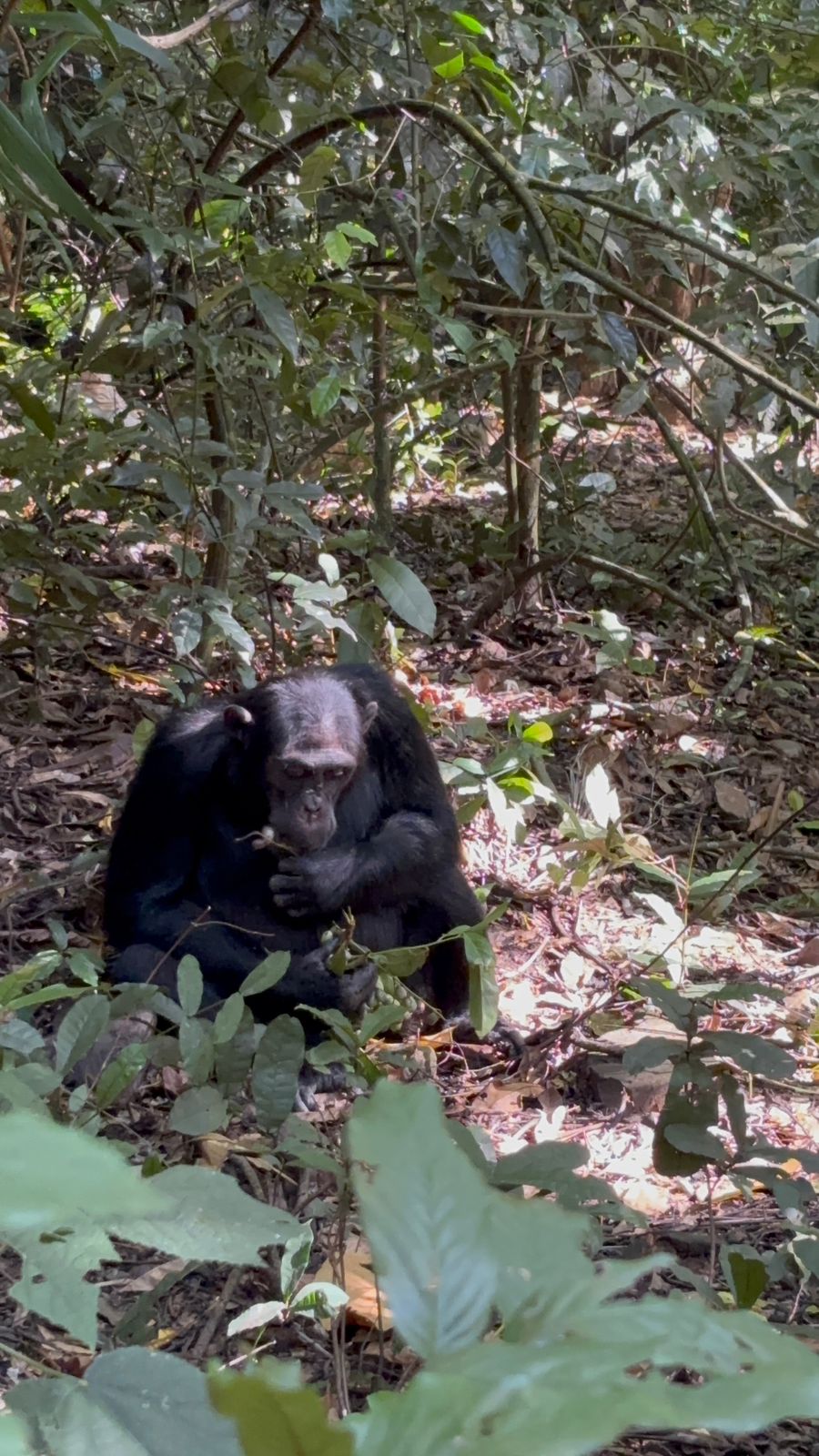
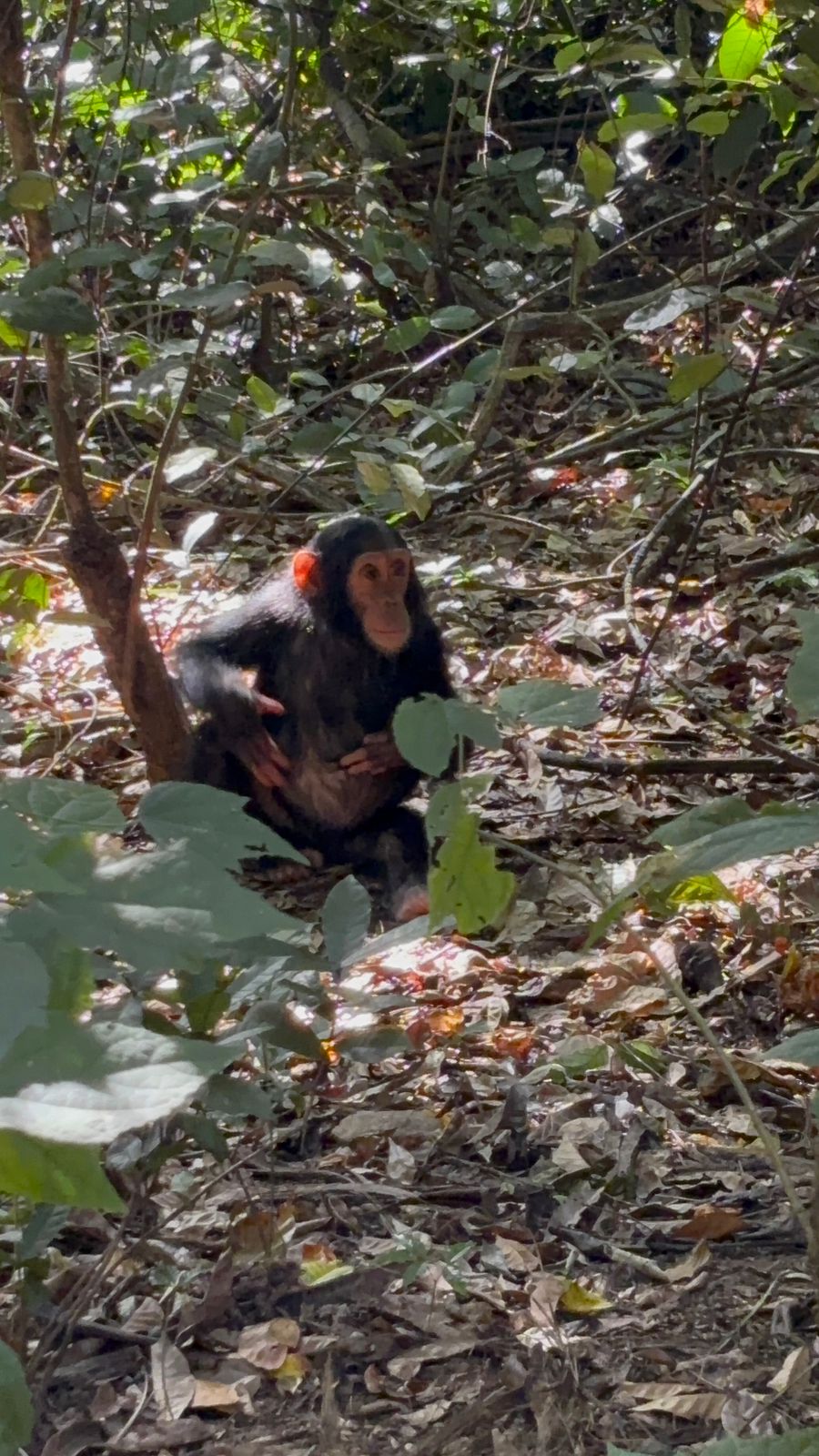
The primary draw of Gombe is the opportunity to track chimpanzees in their natural habitat. Unlike a traditional safari where you remain in a vehicle, Gombe requires you to engage with the environment on foot. The trek can be demanding—the terrain is steep, and the undergrowth can be thick—but the reward is incomparable. There is a profound silence that falls over a group when they first spot a chimp through the foliage.
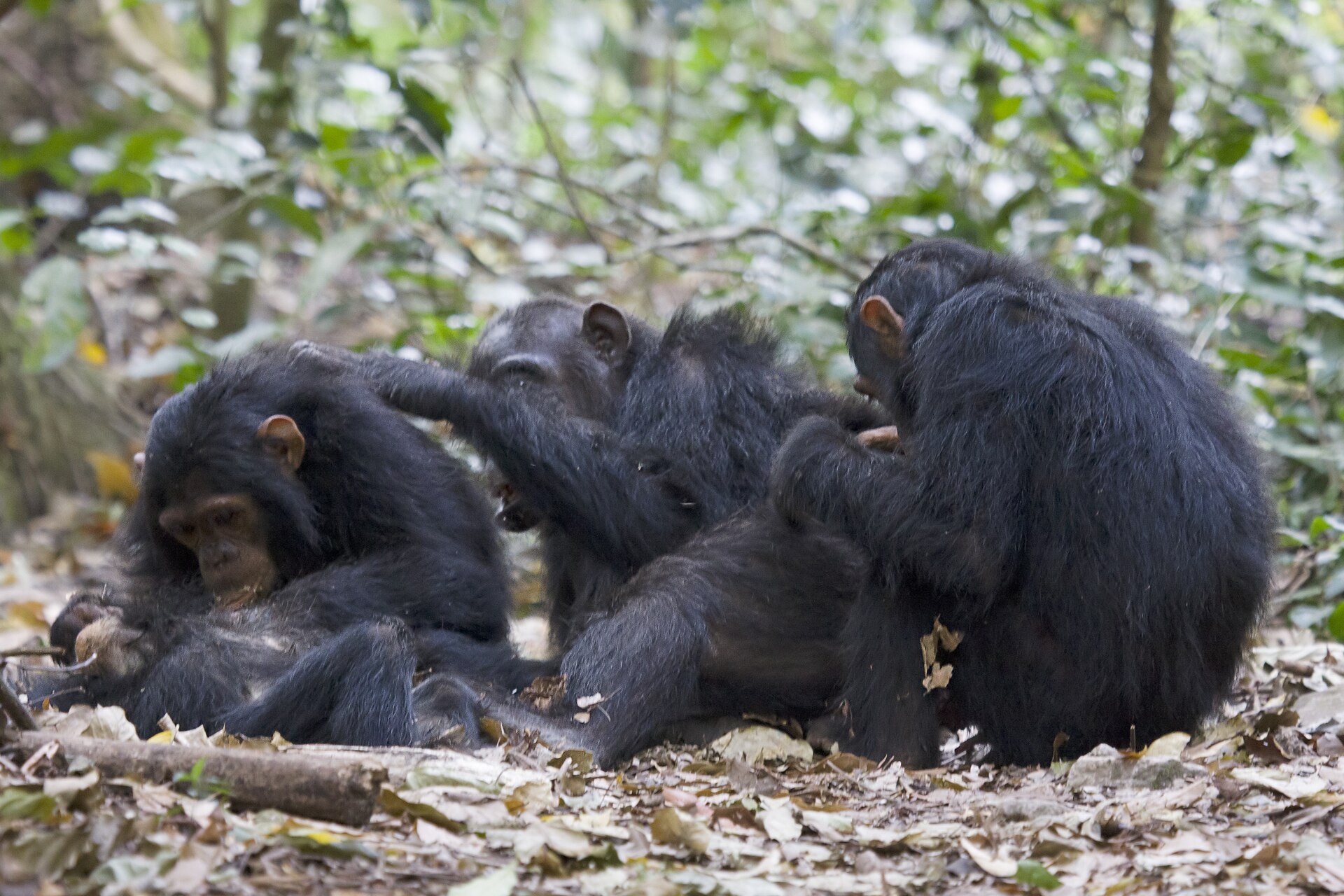
Once located, you are allowed one hour of observation. During this time, you might see them grooming one another to reinforce social bonds, mothers patiently teaching their young how to forage, or the high-energy "pant-hoot" vocalizations that echo through the valleys. It is a raw, unscripted look at life in the wild that leaves most travelers deeply moved.
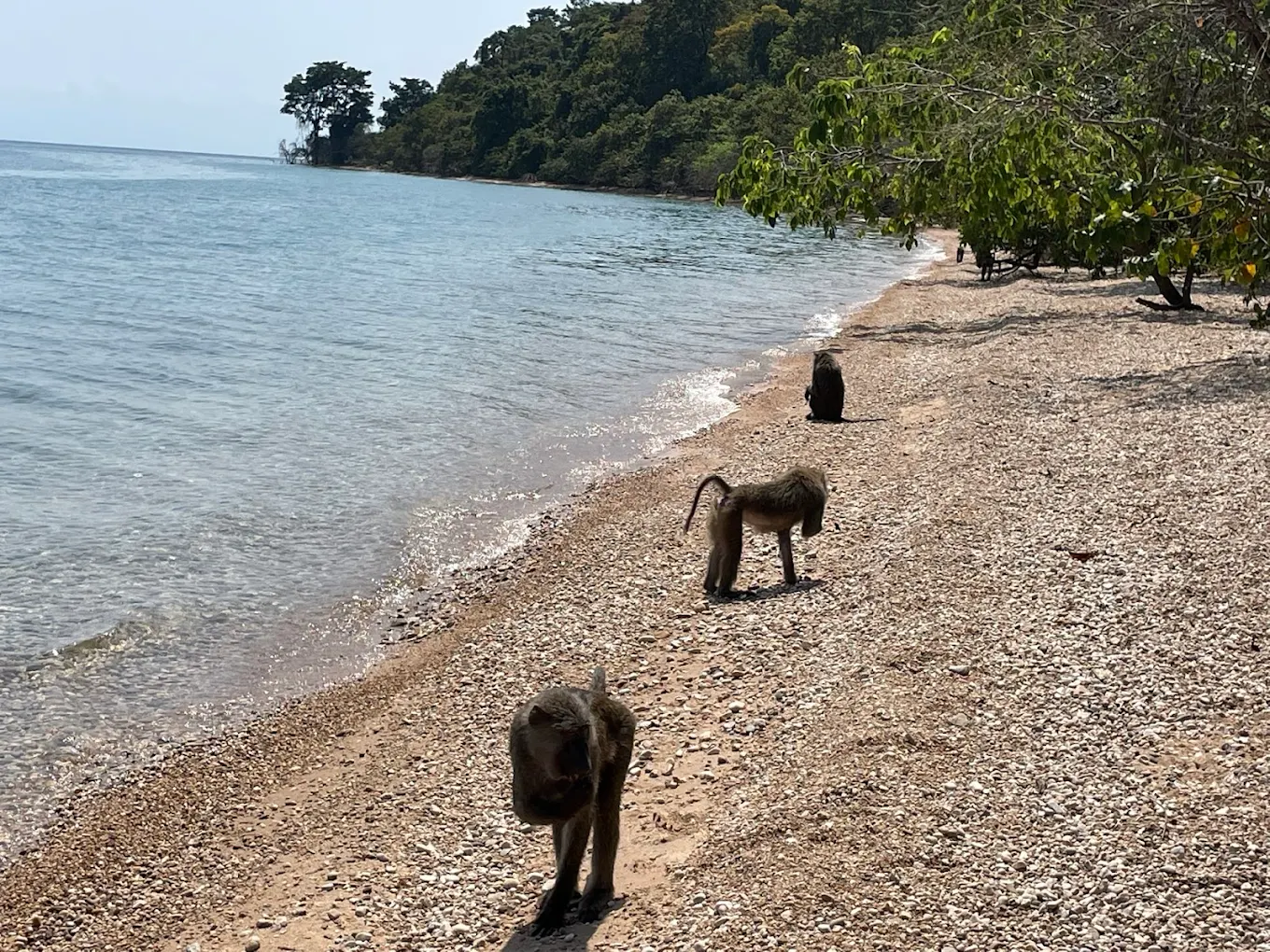
While the chimpanzees are the stars, Gombe’s ecosystem is teeming with other fascinating species. The park’s steep valleys and evergreen forests are home to an array of primates including red-tailed monkeys, blue monkeys, and olive baboons. The birdlife is equally impressive, with over 200 species ranging from the iconic African fish eagle to the vibrant Peter’s twinspot.
Then there is Lake Tanganyika. Bordering the park, this "inland sea" is the world’s longest and second-deepest freshwater lake. Its crystal-clear waters house hundreds of species of colorful cichlid fish. After a humid morning of trekking through the forest, there is no greater luxury than diving into the cool, blue water or enjoying a sunset dhow cruise as the mountains of the Congo loom on the distant horizon.
The Dry Season (May to October) is the peak time for trekking. During these months, the chimpanzees tend to stay on the lower slopes, making them easier to find, and the forest trails are less slippery. However, the Wet Season (November to April) has its own magic; the forest is at its lushest, the air is incredibly clear for photography, and birdwatching is at its absolute best.
Part of Gombe’s allure is its isolation. There are no roads to the park. Most visitors fly into Kigoma from Dar es Salaam or Arusha. From Kigoma, you take a boat—either a private speedboat (1 hour) or a local "lake taxi" (3–4 hours)—to reach the park. This boat journey along the shoreline is a scenic adventure in itself, passing small fishing villages and dramatic cliffs.
Because humans and chimpanzees share about 98% of their DNA, the chimps are highly susceptible to human diseases. Visitors are required to be in good health and must wear masks during the encounter. It is also recommended to wear long trousers and sturdy boots to protect against safari ants and the rugged terrain.
Ready to walk in the footsteps of legends? Gombe Stream National Park is waiting to share its secrets with you. Book your expedition today and witness the wild like never before.

Discover the beauty, culture, and wildlife of Africa with Happy Time 2 Africa — where every journey is thoughtfully crafted with local knowledge, passion, and unforgettable experiences.

Travel with experienced and passionate local guides who bring every destination to life through deep knowledge of wildlife, culture, and Tanzania’s hidden treasures.

As a locally operated company, Happy Time 2 Africa offers authentic experiences, meaningful cultural connections, and insider access to destinations beyond the ordinary.

Explore Africa in comfort with our well-maintained safari vehicles designed for safety, flexibility, and the best wildlife viewing experiences throughout your journey.

Benefit from our extensive experience in designing memorable African adventures with careful planning, professional service, and attention to every detail.

Every traveler is unique. We customize each safari and cultural experience to match your travel style, interests, pace, and personal expectations.
From iconic safaris and mountain adventures to cultural encounters and tropical beaches, we offer unforgettable journeys across Tanzania and East Africa.