

Overview
Overview – The Journey That Stays With You
This is not just a safari—it’s a passage into a living culture, where every sunrise carries stories older than the land itself. Over five days, you’ll move between vast savannahs and vibrant Maasai communities, feeling the rhythm of life that exists far beyond the ordinary traveler’s path.
Stand on the edge of the Ngorongoro Crater as mist lifts like a curtain, revealing a world untouched. Hear the distant chants of Maasai warriors as dusk paints the sky in gold. Share moments—real, human moments—with people whose traditions are deeply rooted in nature.
You won’t just see Tanzania. You’ll feel it, connect with it, and carry a piece of it home with you.
Trip Highlights
- Witness golden sunrises over the endless plains of Serengeti
- Track wildlife in the breathtaking Ngorongoro Crater
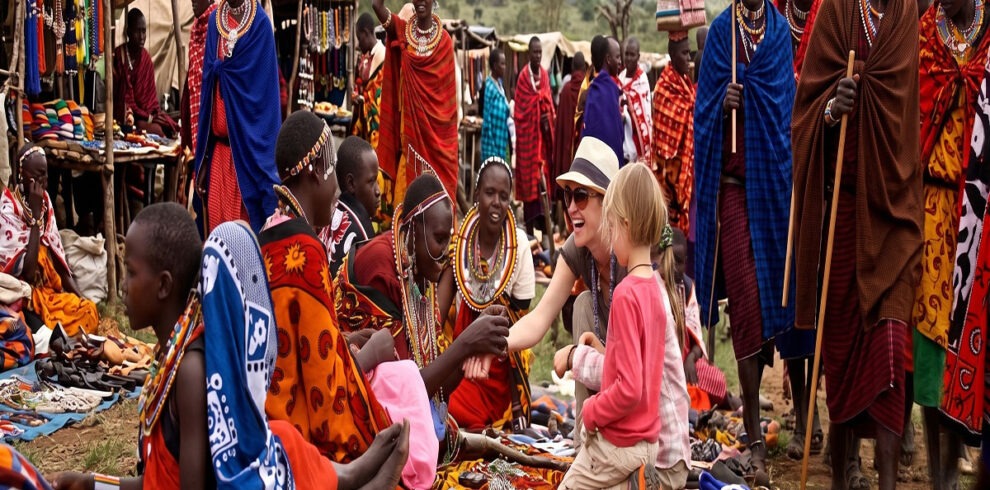
- Experience authentic Maasai village life and traditions
- Hear traditional songs and feel the rhythm of Maasai dances
- Feel the silence and vastness of untouched African landscapes
Itinerary
The journey begins as we leave the lush coffee slopes of Arusha, descending the dramatic escarpments of the Great Rift Valley. Feel the air grow warmer and drier as the landscape shifts into dramatic, volcanic terrain, signaling your entry into a land that feels untouched by the outside world.
- Key Activity: Scenic drive through the Rift Valley with stops at viewpoints overlooking Lake Manyara and the vast plains.
The Experience:
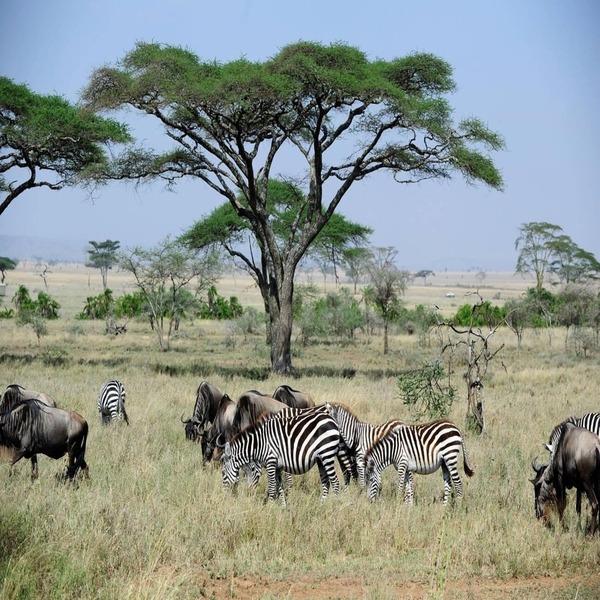
The road stretches toward the legendary Serengeti, unfolding landscapes that seem to breathe with life. As you enter the plains, wildlife begins to appear—zebras grazing, giraffes silhouetted against the sky. The horizon feels endless, and the golden light transforms everything into a living painting.
Key Activities
- Scenic drive to Serengeti
- Game drive en route
- Wildlife spotting (lions, elephants, giraffes)
- Picnic lunch in the bush
- Sunset game viewing
Distance Travelled: ~335 km (6–7 hours)
The Experience:
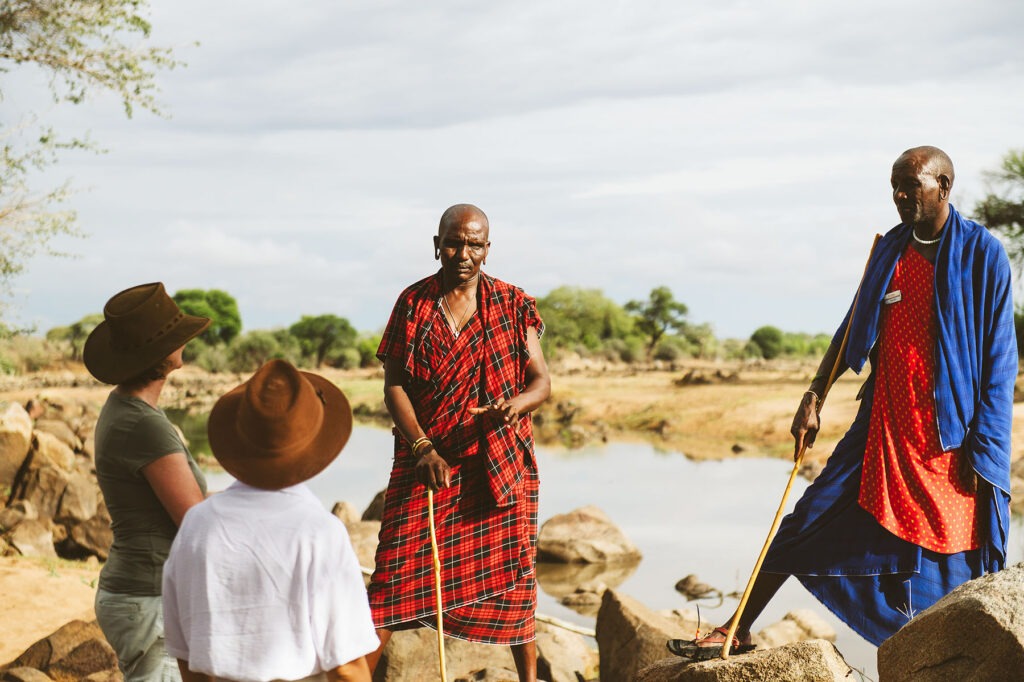
After a morning surrounded by wildlife, you transition into a deeply human experience. Enter a Maasai village where traditions are not performances—they are life itself. You are welcomed with songs, dances, and stories passed down for generations. Here, culture is alive, raw, and unforgettable.
Key Activities
- Morning game drive
- Visit to Maasai village
- Cultural interaction and storytelling
- Traditional dance participation
- Learn Maasai customs and lifestyle
Distance Travelled: ~150 km (varies with village location)
The Experience:
Descending into the Ngorongoro Crater feels like entering another world. The air cools, the land opens, and wildlife gathers in a natural amphitheater. Lions rest in the grass, flamingos paint the lakes pink, and every moment feels suspended in time.
Key Activities
- Early morning crater descent
- Game drive inside the crater
- Wildlife viewing (Big Five possible)
- Picnic lunch near hippo pool
- Scenic photography stops
Distance Travelled: ~145 km
The Experience:
The journey back carries a quiet reflection. The landscapes feel different now—familiar, meaningful. You leave not as a visitor, but as someone who has connected with the land, the wildlife, and its people. Tanzania doesn’t say goodbye—it stays with you.
Key Activities
- Morning breakfast
- Drive back to Arusha
- Optional souvenir shopping
- Drop-off at hotel or airport
- Departure
Distance Travelled: ~190 km
FAQs
Annapurna Base Camp is a Grade B or a moderately difficult trekking route. So any fit person can do this trek, even if you do not have any previous experience. You should be aware of what to expect and mentally prepare for it. Then, as long as you will too, you can.
On average, you walk about 4 to 6 hours per day. One or two days can be as less as 3hrs and one or two days can be as long as 7hrs.
The highest altitude reached is 4190m. This is the elevation of Annapurna Base Camp. ABC is the highest we will climb in this trek.
Yes, you can charge batteries en route. Charger should be brought. There are hot shower facilities as well. You may have to pay a certain amount for both ($1-$2). Negotiate. Also, a hot water facility could be free at a lower elevation.
No. There are no ATMs on this trek route. You will have to draw enough cash in Pokhara or Kathmandu. There are a number of ATMs in these cities. Everything is paid in Nepali rupees. So money should be exchanged before the start of the trek.
Yes. The Internet can be accessed in most places. Sometimes, there might be some technical problems. The Internet in Nepal is not as fast as you are used to and at times you can just lose connection.
Not really. It depends on you. If you want, ABC trekking can be done independently. You could hire a guide and a porter by yourself instead of going through an agency or not hire a guide at all. Although, not having a guide can be a little problematic during the offseason.
It really depends on you. Is it your first time in Nepal? How confident are you of being able to find your way around? How pressed on time are you? If you go through an agency, it will be costlier but everything will be planned. You will only have to come, trek and return.
For the Annapurna region, pay for guides range from $20 to $30 per day and porters take $15 to $25 per day.
There’s a high chance, especially in Serengeti and Ngorongoro Crater.
Most travelers require a visa, which can often be obtained on arrival or online.