
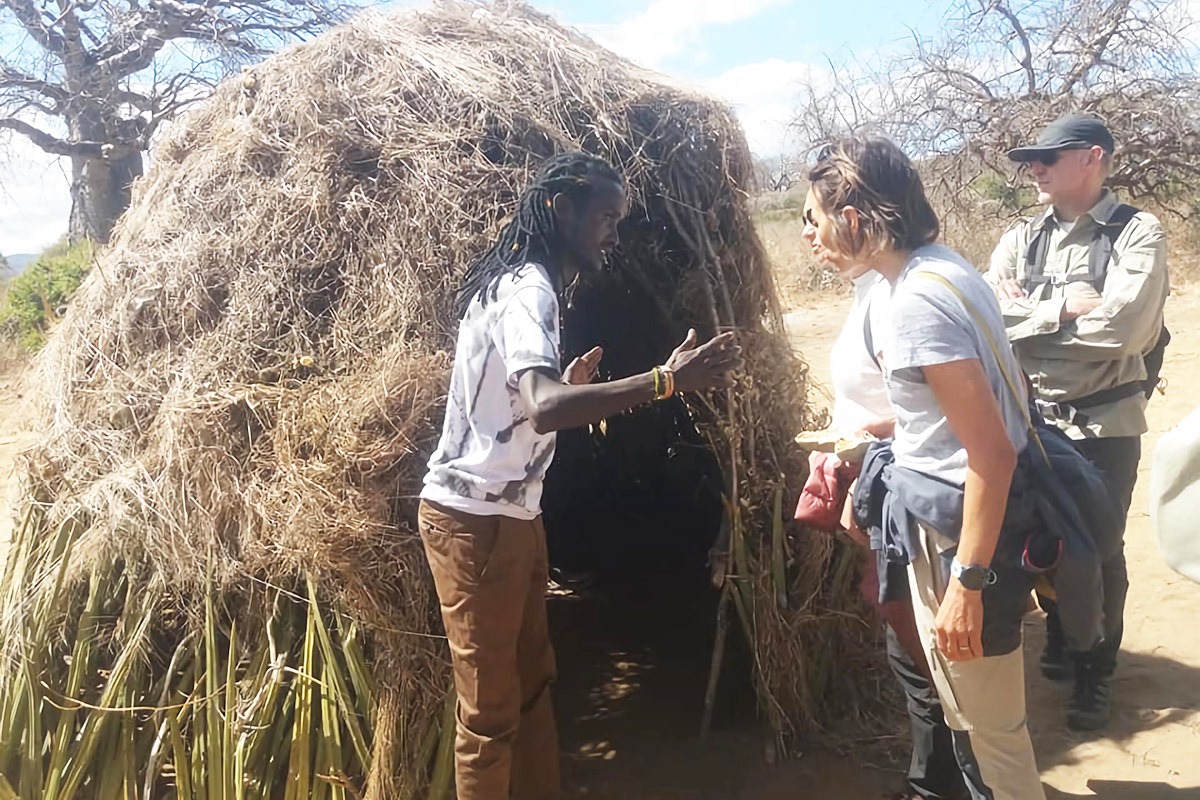
A cultural safari is a journey that shifts the lens from the wild landscape to the people who call it home. While traditional safaris focus on game drives and predator sightings, a cultural safari invites you to step into the lived experiences of local communities. It is an exploration of traditions, daily rhythms, and ancient wisdom—offering you the chance to observe, participate, and learn directly from the Maasai, Hadzabe, Datoga, Chagga, and Swahili peoples.
In Tanzania, this isn't just travel; it is an act of connection. By moving at a slower pace, you trade the distance of a safari vehicle for the intimacy of a shared meal, a guided walk, or a traditional story told by an elder. Welcome to a way of traveling that focuses on meaningful human experience.
To create a truly authentic experience, we guide our guests through a thoughtful planning process:
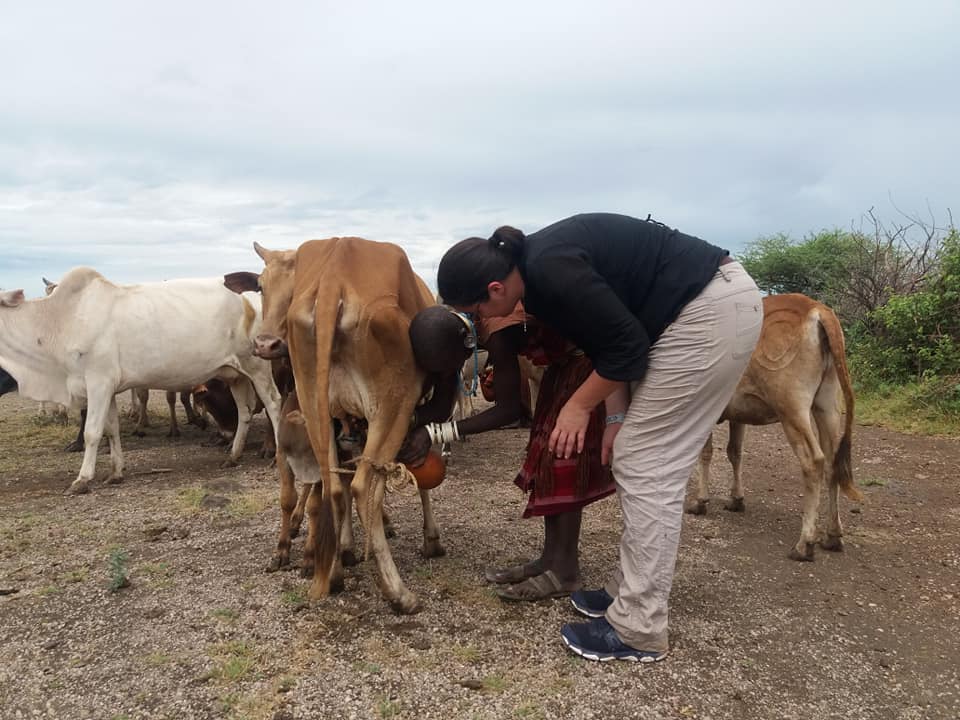
A strong cultural safari is defined by active engagement. Our itineraries often include:
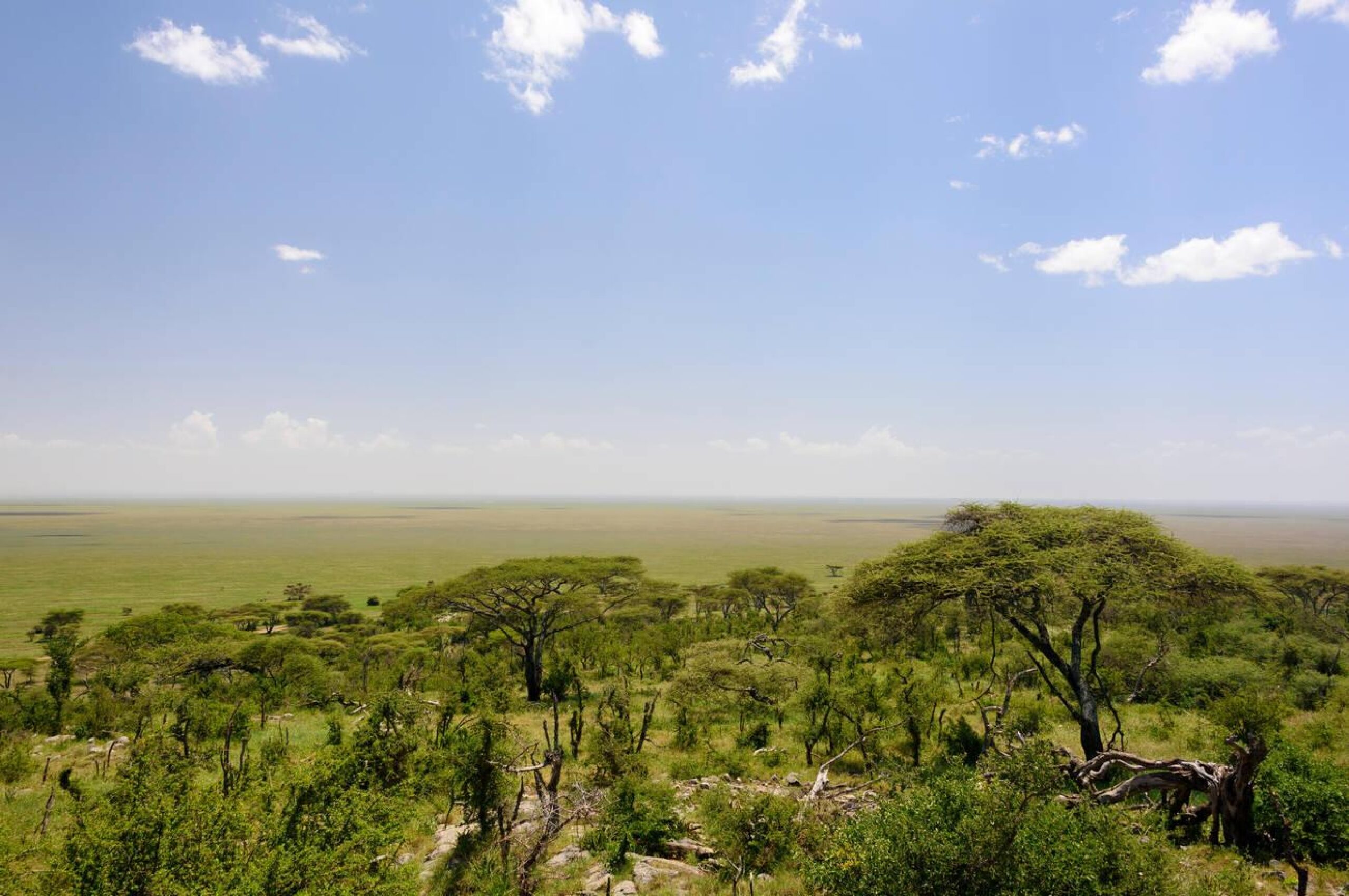
The most complete Tanzanian journeys bridge the gap between nature and humanity. By combining cultural stops with classic wildlife destinations—like Serengeti’s vast plains, Tarangire’s elephant herds, or Lake Manyara’s diverse biosphere—you gain a comprehensive understanding of the landscape as both a home for animals and a sacred ground for human tradition.

The success of a cultural safari relies on the mindset of the traveler:
Because it offers a deeper, more permanent connection to your destination. When you visit Tanzania through the eyes of its people, the country ceases to be just a place on a map—it becomes a series of meaningful human relationships. You leave with more than photos; you leave with a changed perspective, a deeper understanding of human resilience, and stories that stay with you long after the journey ends.
Discover the beauty, culture, and wildlife of Africa with Happy Time 2 Africa — where every journey is thoughtfully crafted with local knowledge, passion, and unforgettable experiences.

Travel with experienced and passionate local guides who bring every destination to life through deep knowledge of wildlife, culture, and Tanzania’s hidden treasures.

As a locally operated company, Happy Time 2 Africa offers authentic experiences, meaningful cultural connections, and insider access to destinations beyond the ordinary.

Explore Africa in comfort with our well-maintained safari vehicles designed for safety, flexibility, and the best wildlife viewing experiences throughout your journey.

Benefit from our extensive experience in designing memorable African adventures with careful planning, professional service, and attention to every detail.

Every traveler is unique. We customize each safari and cultural experience to match your travel style, interests, pace, and personal expectations.

From iconic safaris and mountain adventures to cultural encounters and tropical beaches, we offer unforgettable journeys across Tanzania and East Africa.