
Visiting local communities is often the most profound chapter of a Tanzanian journey. It is the moment where the landscape gains a voice and the wilderness reveals its human heart. These visits are not staged spectacles; they are organic, respectful exchanges that allow you to move beyond the role of a tourist and into the role of a guest.
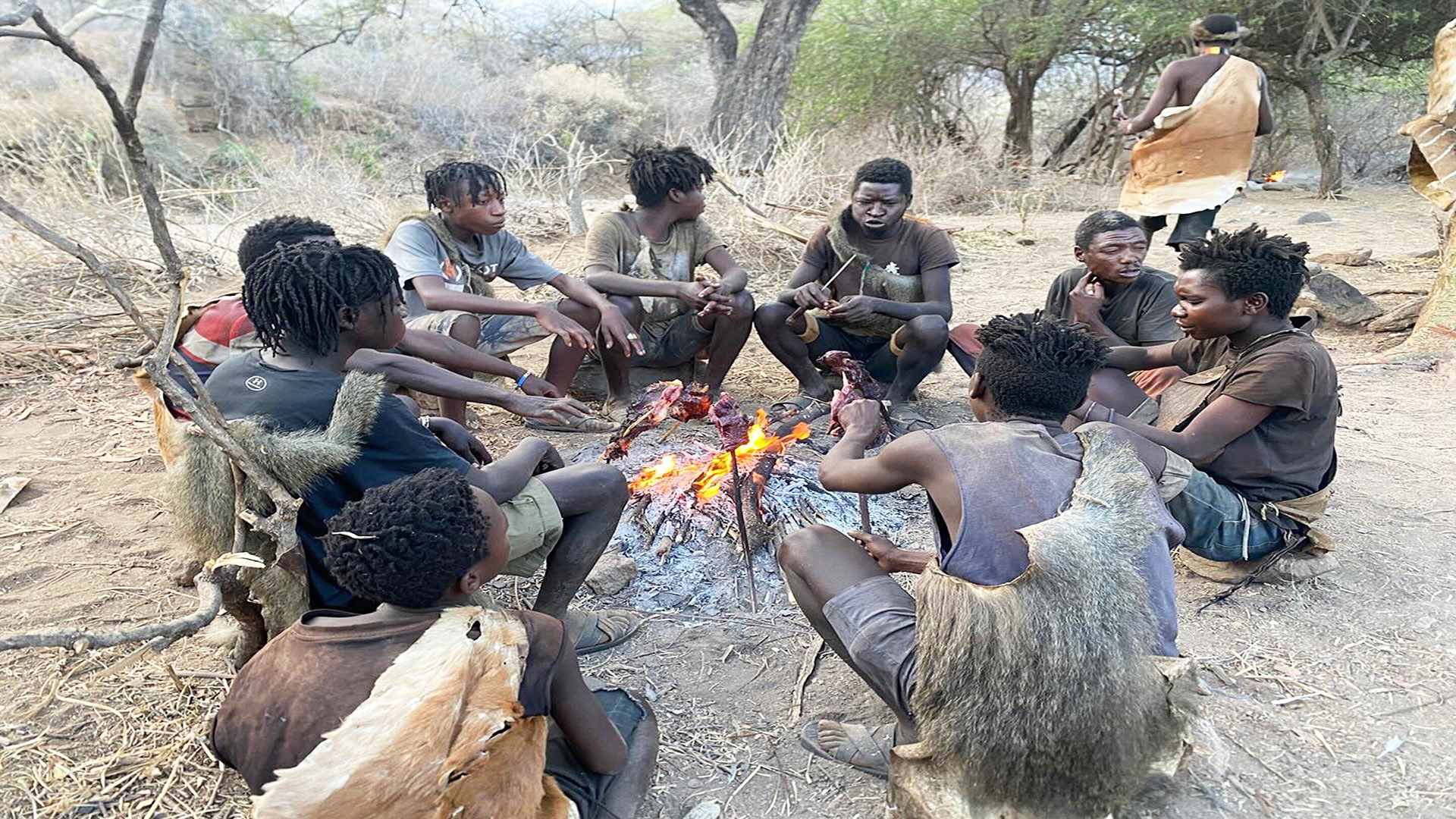
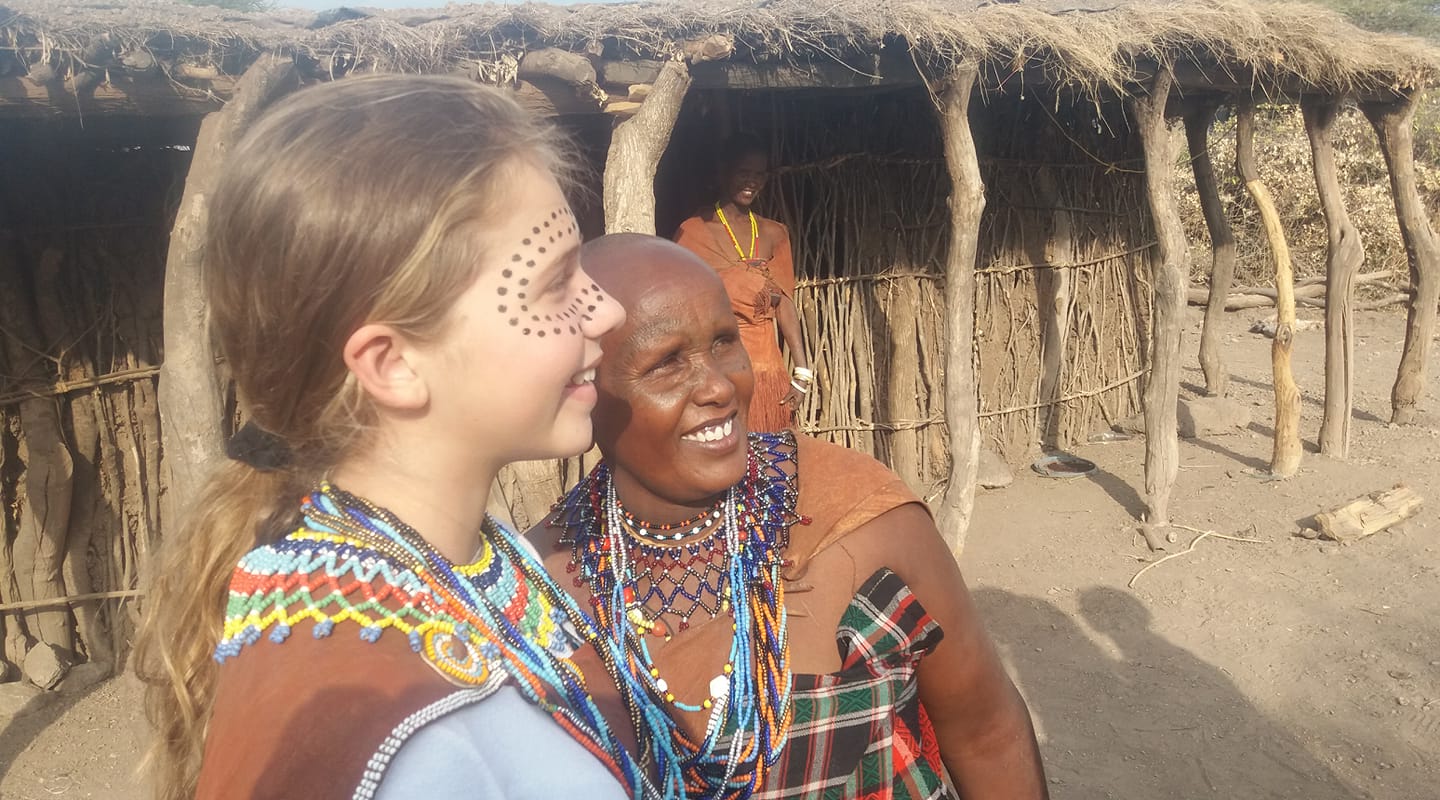
Whether you are entering a Maasai boma, walking with Hadzabe foragers, or exploring the fertile coffee farms of the Chagga, you are stepping into a world where traditions are not just history—they are a lived reality. Here is how to prepare for a meaningful and authentic encounter.
Tanzanian culture is rooted in the concept of "Karibu" (Welcome). You will likely be met with a warmth that is both immediate and sincere. Depending on the community and the timing of your visit, you may find yourself:
The beauty of cultural tourism lies in mutual respect. To ensure the experience is as rewarding for the community as it is for you, we encourage a mindful approach to interaction:
Authentic community life happens outdoors and in the elements. To stay comfortable during your visit, keep the following in mind:
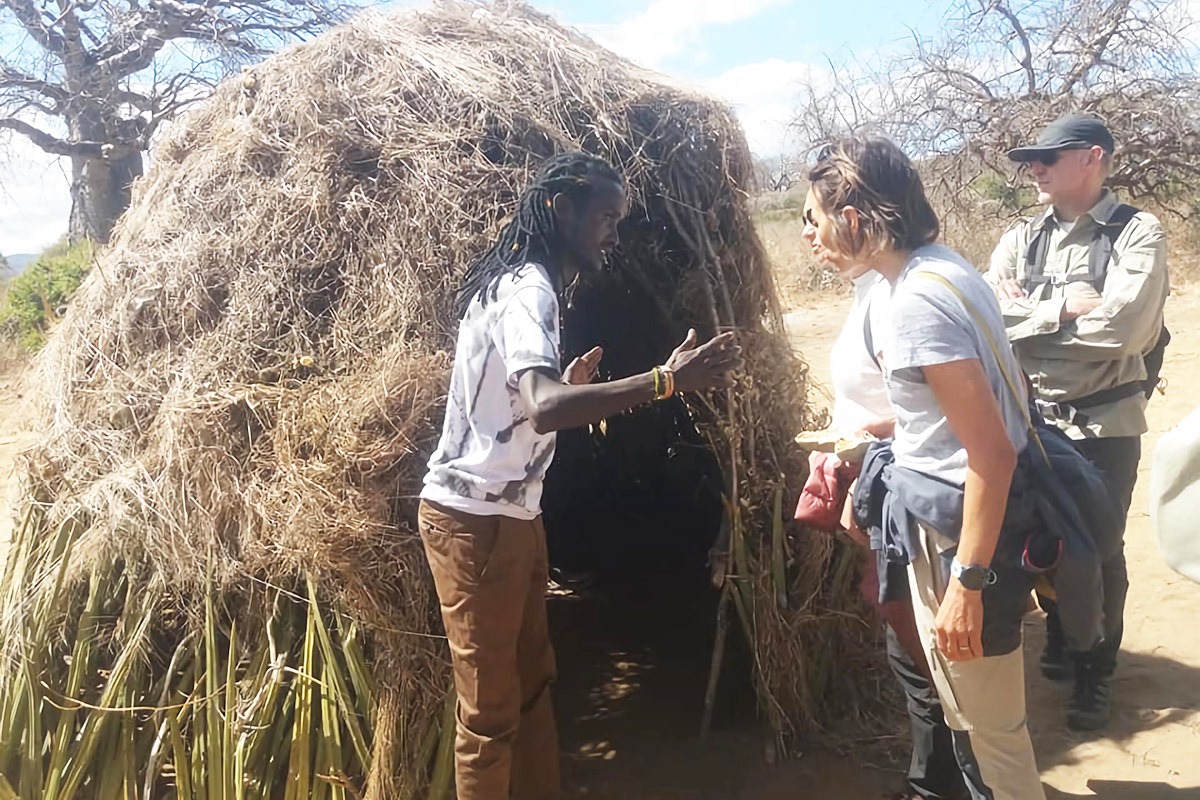
By visiting these communities, you are a vital part of a sustainable tourism model. Your interest helps preserve ancient skills—like basket weaving, herbal medicine, and traditional dance—by providing an economic incentive for younger generations to keep these traditions alive. Buying a piece of jewelry or a hand-carved tool isn't just a souvenir purchase; it is a direct investment in a family’s livelihood.
Long after you have forgotten the exact specifications of a safari vehicle or the name of a lodge, you will remember the sound of laughter in a Maasai village or the taste of coffee roasted over an open fire. Community visits provide a deep appreciation for the diversity of the human experience. They remind us that while our traditions may differ, the values of family, hospitality, and connection to the land are universal.
Discover the beauty, culture, and wildlife of Africa with Happy Time 2 Africa — where every journey is thoughtfully crafted with local knowledge, passion, and unforgettable experiences.

Travel with experienced and passionate local guides who bring every destination to life through deep knowledge of wildlife, culture, and Tanzania’s hidden treasures.

As a locally operated company, Happy Time 2 Africa offers authentic experiences, meaningful cultural connections, and insider access to destinations beyond the ordinary.

Explore Africa in comfort with our well-maintained safari vehicles designed for safety, flexibility, and the best wildlife viewing experiences throughout your journey.

Benefit from our extensive experience in designing memorable African adventures with careful planning, professional service, and attention to every detail.

Every traveler is unique. We customize each safari and cultural experience to match your travel style, interests, pace, and personal expectations.

From iconic safaris and mountain adventures to cultural encounters and tropical beaches, we offer unforgettable journeys across Tanzania and East Africa.